



What's Happening?
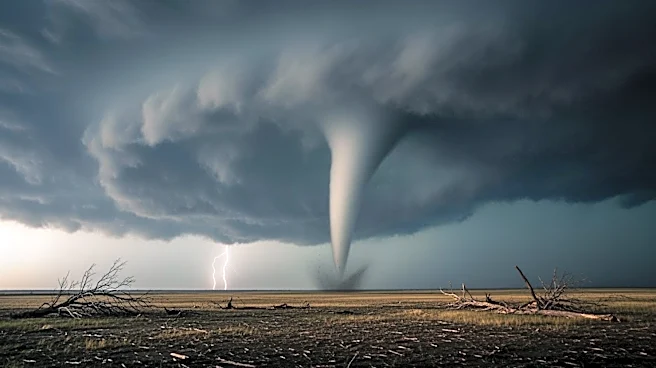
Super Typhoon Sinlaku, a Category 5-equivalent storm, is intensifying over the Philippine Sea and is projected to impact the Northern Mariana Islands and Guam. The storm, with sustained winds of 180 mph and gusts up to 220 mph, is one of the most intense
observed in the western Pacific this year. The U.S. Navy’s Joint Typhoon Warning Center (JTWC) has issued warnings for the islands of Rota, Tinian, and Saipan, while Guam is under a tropical storm warning and typhoon watch. The typhoon is expected to bring strong winds, heavy rainfall, and potential flash flooding to the region. Emergency shelters have been opened, and flights to Guam have been canceled as a precaution.
Why It's Important?
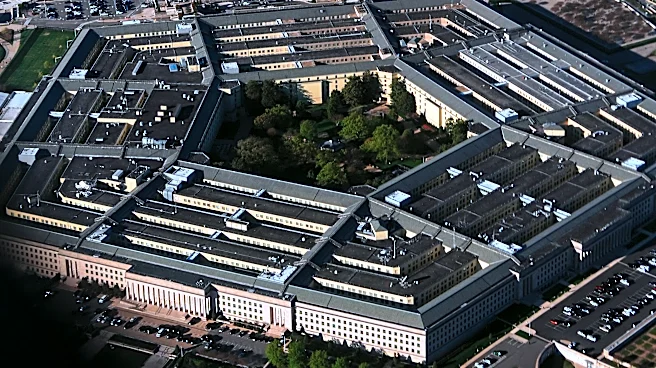
The arrival of Super Typhoon Sinlaku poses significant risks to the Northern Mariana Islands and Guam, both U.S. territories with a combined population of approximately 200,000 people. Guam hosts major U.S. military installations, making the storm's impact potentially significant for national security. The typhoon's intensity and timing are unusual, as such powerful storms are rare in April. The severe weather could lead to power outages, infrastructure damage, and disruptions to daily life, emphasizing the need for preparedness and emergency response. The economic and logistical challenges posed by the storm could affect local communities and U.S. military operations in the region.
What's Next?
As Super Typhoon Sinlaku approaches, residents are advised to secure their properties and stay indoors. The storm is expected to bring heavy rain and strong winds starting Monday, with the most severe impacts likely on Tuesday. Authorities in the Northern Mariana Islands and Guam are coordinating emergency responses, including opening shelters and issuing safety advisories. The situation will require ongoing monitoring and potential adjustments to emergency plans as the storm progresses. The response from local governments and the U.S. military will be crucial in mitigating the storm's impact and ensuring public safety.