






What's Happening?
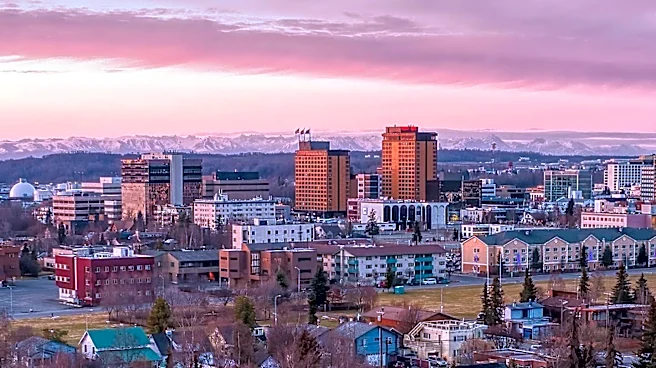
Anchorage Assembly members are raising concerns about the potential impact of the Joint Base Elmendorf-Richardson (JBER) expansion on the city's already strained housing market. The 'Fightertown Recapitalization' project is expected to bring over $2 billion
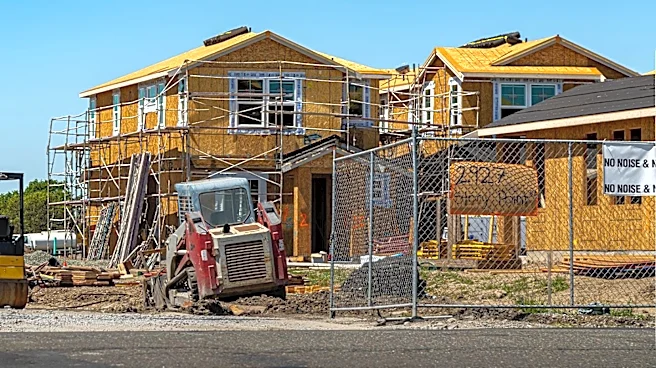
in federal funding next year, potentially rising to $7 billion over several years, and will introduce approximately 2,500 new service members and their families to the area. While on-base housing will accommodate junior personnel, the remaining influx will seek housing in the private market. This comes as Anchorage's housing market is already experiencing significant pressure, with the average home price at $481,000 (a 42% increase over a decade) and average two-bedroom rent exceeding $1,700. The municipality's Office of Management and Budget Director, Ona Brause, confirmed that staff are working with JBER to identify financing and locations for potential housing development.
Why It's Important?
This situation is critical for Anchorage's economic and social stability. The influx of military personnel, while bringing federal investment, threatens to exacerbate an existing housing shortage, potentially driving up housing costs further for all residents. Assembly member Erin Baldwin Day highlighted that the 'subsidized demand' from military housing allowances could intensify competition in the market. This could lead to increased housing insecurity for current residents, particularly those with lower incomes, and make it more difficult for businesses to attract and retain employees. Furthermore, the municipality's budget relies on new taxable construction for revenue, but Department of Defense projects on base are not taxable, limiting direct financial benefits from the expansion. The challenge lies in ensuring that the economic benefits of the JBER expansion do not come at the cost of housing affordability and community well-being.
What's Next?
The Municipality of Anchorage is actively working with JBER to identify financing and locations for potential housing development, with the administration scheduled to release its 2027 draft budget proposal on October 2. This budget will likely outline strategies to address the housing crisis. The municipality is also pursuing federal grants, such as the Defense Community Infrastructure Program, to fund infrastructure that supports housing development. However, these funds are limited, prompting collaboration with Alaska lawmakers to secure additional resources. While JBER currently has no plans for off-base housing development, the ongoing discussions between municipal and military officials will be crucial in mitigating the housing impact. The effectiveness of these efforts will determine whether Anchorage can accommodate the new population without further straining its housing market.
Beyond the Headlines
The JBER expansion's impact on Anchorage's housing market extends beyond immediate supply and demand issues, touching upon broader themes of urban resilience and military-civilian integration. The challenge of accommodating a growing military population in an already tight housing market highlights the need for proactive, integrated planning between military installations and surrounding communities. This situation could serve as a case study for other U.S. cities with significant military presences, emphasizing the importance of early and sustained collaboration to prevent housing crises. It also brings to light the complex financial relationship between federal military operations and local municipal budgets, particularly concerning tax revenue and infrastructure funding. The long-term implications could include shifts in Anchorage's demographic makeup, changes in local service demands, and potentially, a re-evaluation of how military expansions are managed to ensure equitable growth for both service members and civilian populations.