







What's Happening?
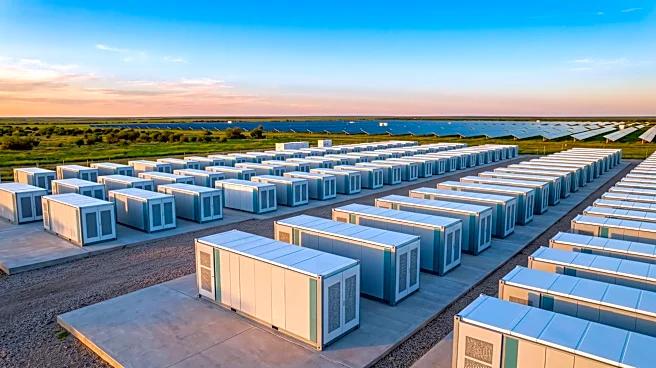
Georgia Power has announced the commercial operation of its Robins Battery Facility, a 128-megawatt (MW) battery energy storage system located near Warner Robins, Georgia. This facility is one of four battery energy storage projects approved in the 2023
Integrated Resource Plan (IRP) Update. The Robins Battery Facility is paired with the nearby Robins Solar Facility, allowing it to capture renewable energy during periods of low customer demand and store it for use when demand is higher, such as during peak energy consumption times. The facility can deliver stored energy to the grid for up to four hours, significantly enhancing grid reliability and flexibility. Georgia Power has also completed battery storage facilities in Cherokee and Lowndes counties, totaling 579.5 MW, and is nearing completion of another 57.5 MW facility in Floyd County. Additionally, the Georgia Public Service Commission (PSC) has approved nine more Battery Energy Storage System (BESS) facilities across eight sites statewide, which will add over 3,000 MW of energy storage capacity.
Why It's Important?
The activation of the Robins Battery Facility and the broader expansion of battery storage across Georgia are crucial for the state's energy infrastructure and its transition to a more resilient and renewable grid. By integrating battery storage with solar generation, Georgia Power can better manage fluctuations in renewable energy output, ensuring a stable power supply even when solar or wind resources are not actively generating electricity. This capability is vital for meeting growing energy needs and supporting economic development in Georgia, as it provides greater flexibility and reliability to the grid. The strategic placement of these facilities near existing infrastructure and substations optimizes their operational efficiency. This initiative also reduces reliance on traditional power sources, contributing to environmental sustainability and energy independence for the state.
What's Next?
Following the successful commercial operation of the Robins Battery Facility, Georgia Power will continue to advance its plans for expanding battery storage across the state. The company is nearing completion of a 57.5 MW facility in Floyd County and will proceed with the development of nine additional BESS facilities approved by the PSC, which are projected to add over 3,000 MW of energy storage capacity. These upcoming projects, located at various power plants and standalone sites, will further enhance grid operations and support Georgia's energy demands. Additionally, Georgia Power has received approval for two solar facilities paired with battery storage, providing a combined 350 MW of generating capacity in Laurens and Mitchell counties. These ongoing developments indicate a sustained commitment to integrating cost-effective and reliable energy resources into Georgia's power grid.
Beyond the Headlines
The expansion of battery energy storage systems in Georgia, exemplified by the Robins Battery Facility, signifies a broader shift in how states are approaching energy management and grid modernization. This move towards large-scale battery storage not only addresses immediate energy demands but also lays the groundwork for a more decentralized and resilient energy future. The ability to store and dispatch renewable energy on demand mitigates the intermittency challenges associated with solar and wind power, making these clean energy sources more viable for continuous supply. This strategic investment also positions Georgia as a leader in adopting advanced energy technologies, potentially attracting further innovation and investment in the clean energy sector. The long-term implications include reduced carbon emissions, enhanced energy security, and a more stable energy market for consumers and businesses alike.