
What's Happening?
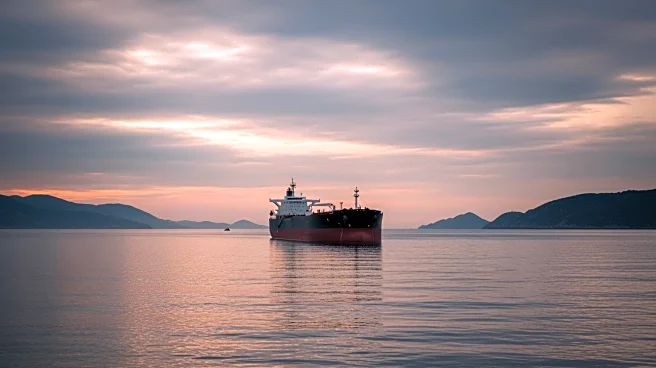
Iran has detained 18 crew members of a foreign oil tanker that was seized in the Gulf of Oman. The Iranian authorities have not disclosed the identity of the vessel or the nationalities of the crew members.
The detentions are part of an ongoing investigation, which also includes the tanker's captain. This incident occurs amid heightened tensions in the region, where Iran has previously been involved in similar maritime confrontations. The Gulf of Oman is a strategic waterway that connects the Arabian Sea with the Strait of Hormuz, a critical passage for global oil shipments.
Why It's Important?
The detention of the crew members by Iran could escalate tensions in the Gulf region, which is a vital artery for the global oil supply. Any disruption in this area can have significant implications for international oil markets, potentially affecting oil prices and global economic stability. The incident also highlights ongoing geopolitical tensions involving Iran and other nations, particularly concerning maritime security and freedom of navigation in the region. Stakeholders in the oil industry, as well as governments with interests in Middle Eastern stability, will be closely monitoring the situation.
What's Next?
The international community may respond with diplomatic efforts to resolve the situation and ensure the safe release of the detained crew members. Countries with nationals among the detained may engage in negotiations with Iran. Additionally, there could be increased naval patrols by other nations in the Gulf of Oman to ensure the security of commercial shipping routes. The outcome of the investigation by Iranian authorities will be crucial in determining the next steps and potential resolutions.