







What's Happening?
The home security system market in 2026 is characterized by a diverse range of options, catering to different consumer needs and budgets. SimpliSafe is highlighted for its ease of DIY setup, Ring Alarm for its cost-effective professional monitoring, and Abode
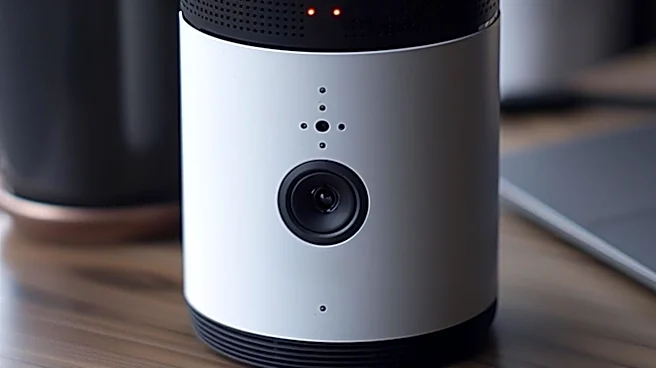
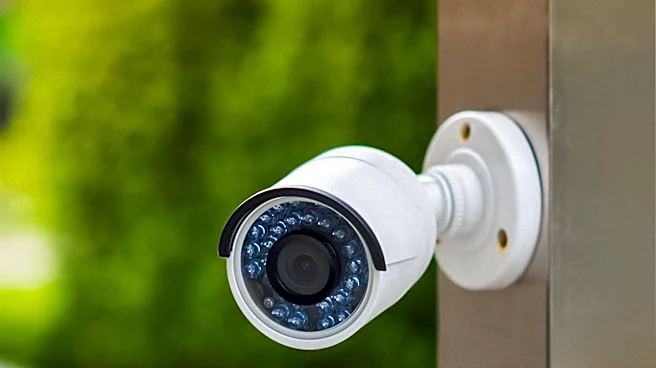
for its flexible, no-contract monitoring services. A comprehensive security setup typically includes door and window sensors, at least one indoor and one outdoor camera, and a monitoring plan tailored to how users want alerts handled. The cost for DIY equipment generally ranges from $200 to $500. Monitoring costs vary, with self-monitoring plans from $0 to $20 per month and professional monitoring services from $20 to $50 per month. These systems are integrated networks of devices, including cameras, alarms, motion sensors, and door controls, all designed to detect unusual activity and send alerts. Popular smart home platforms like Home Assistant and Google Home, along with connectivity standards such as Wi-Fi, Zigbee, Z-Wave, and Matter, support these systems. The central component, or 'hub,' manages all connected devices, sounds alarms, and sends notifications, often with cellular backup and battery power to ensure continuous operation during power or internet outages.
Why It's Important?
The evolution of home security systems reflects a broader trend towards personalized and accessible home protection. The availability of robust DIY options like SimpliSafe empowers homeowners to install and manage their security without professional intervention, potentially reducing costs and increasing customization. The competitive pricing of professional monitoring, exemplified by Ring Alarm, makes advanced security services more attainable for a wider demographic. Abode's no-contract flexibility appeals to consumers seeking less commitment and more control over their security subscriptions. This market shift impacts consumers by offering more choices, potentially leading to increased adoption of home security technologies. For the industry, it fosters innovation in device integration, smart home compatibility, and monitoring services. The emphasis on cellular backup and battery power in hubs addresses critical reliability concerns, ensuring that security systems remain operational even during disruptions, which is vital for effective protection. The integration with various smart home platforms also signifies a move towards a more interconnected and automated living environment, enhancing convenience and control for users.
What's Next?
The home security market is expected to continue its trajectory towards greater integration with smart home ecosystems and more flexible service models. Future developments may include enhanced AI capabilities for more accurate threat detection and fewer false alarms, further reducing the need for constant human oversight. The adoption of new connectivity standards like Matter could lead to more seamless interoperability between devices from different manufacturers, simplifying setup and management for consumers. As technology advances, we may see more sophisticated, yet user-friendly, DIY installation processes, potentially lowering the barrier to entry for advanced security features. The competition among providers is likely to drive down costs for both equipment and monitoring services, making comprehensive home security accessible to an even broader audience. Additionally, there may be an increased focus on privacy and data security within these systems, as consumers become more aware of the implications of connected devices in their homes.
Beyond the Headlines
The shift in home security systems towards DIY and flexible subscription models has broader implications beyond immediate protection. It signifies a growing consumer demand for autonomy and customization in personal safety solutions. This trend could lead to a redefinition of traditional security services, with a greater emphasis on user-managed systems and on-demand professional support rather than long-term contracts. The integration of security systems with broader smart home platforms also raises questions about data privacy and cybersecurity. As more personal data is collected and processed by these interconnected devices, the need for robust encryption and secure data handling becomes paramount. Furthermore, the accessibility of advanced security technology could have societal impacts, potentially reducing crime rates in residential areas and fostering a greater sense of safety among homeowners. However, it also highlights a potential digital divide, where access to these advanced systems might be limited for certain socioeconomic groups, creating disparities in home security.