




What's Happening?
The Alabama Humanities Alliance (AHA), the state affiliate of the National Endowment for the Humanities, is offering Major Grants to support public humanities programming across Alabama. These grants aim to foster understanding of history, literature,
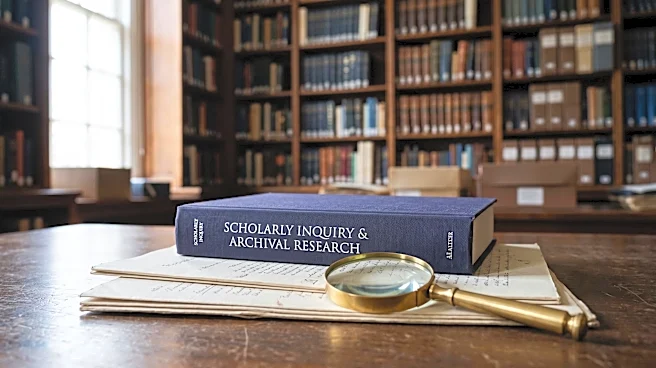
civics, culture, and related disciplines. The program connects scholars with communities through projects designed to encourage dialogue, critical thinking, lifelong learning, and civic engagement. Funding amounts can reach up to $15,000 per project, with a required 1:1 cost-share match, and the grant period can extend up to two years. Key requirements for these Major Grant projects include the involvement of at least one humanities scholar who is not the project director. Supported formats for these programs are diverse, encompassing lectures, panel discussions, conferences, cultural and literary festivals, book discussions, teacher workshops, public and oral history projects, temporary or traveling exhibitions, documentary films, podcasts, apps, and other digital media. The central criterion is that humanities content must be central to the project and interpreted through scholarship. Arts-related projects may also qualify if they explore the cultural, aesthetic, or historical context of art, rather than funding art creation or performance.
Why It's Important?
These grants from the Alabama Humanities Alliance are crucial for enriching the cultural and intellectual landscape of Alabama. By promoting public humanities programming, the AHA helps to preserve and disseminate knowledge about the state's history, diverse cultures, and literary heritage. The requirement for scholar involvement ensures that the content is academically rigorous and thoughtfully presented, fostering a deeper understanding among the public. This initiative is particularly important for civic engagement, as it encourages critical thinking and dialogue on topics relevant to society. The broad range of supported formats, from traditional lectures to modern digital media, ensures accessibility and relevance for diverse audiences across the state. Furthermore, by supporting projects that explore the context of art, the grants contribute to a more holistic appreciation of creative works, moving beyond mere aesthetics to delve into their societal and historical significance. This investment in public humanities ultimately strengthens community bonds and promotes a more informed and engaged citizenry.
What's Next?
The Alabama Humanities Alliance has set multiple deadlines for draft and final applications throughout 2027, indicating a continuous cycle of funding opportunities for public humanities projects. Upcoming deadlines include January 1, 2027, for winter draft applications, February 1, 2027, for winter final applications, and subsequent tentative deadlines in May, June, September, and October for summer and fall cycles. This structured approach suggests ongoing support for humanities initiatives in Alabama. Organizations and scholars interested in developing public humanities programs will need to prepare their proposals, ensuring they meet the criteria, particularly the involvement of a humanities scholar and the 1:1 cost-share match. The continued availability of these grants will likely lead to a sustained increase in public engagement with humanities topics, fostering intellectual growth and community dialogue across the state. The AHA's commitment to diverse formats also suggests an evolving landscape of public programming, potentially incorporating new technologies and outreach methods.
Beyond the Headlines
The Alabama Humanities Alliance's grant program reflects a broader national commitment, through the National Endowment for the Humanities, to foster intellectual curiosity and civic discourse. By emphasizing the role of humanities scholars and requiring a cost-share match, the program not only ensures academic rigor but also encourages local investment and community ownership in these initiatives. This model helps to build sustainable partnerships between academic institutions and local communities, creating a robust ecosystem for public education and cultural enrichment. The inclusion of digital media formats in supported projects highlights an adaptation to contemporary communication methods, ensuring that humanities content remains relevant and accessible in the digital age. This strategic approach to funding can have long-term effects on how Alabamians understand their past, engage with their present, and envision their future, promoting a more informed and critically aware populace. The focus on context in arts-related projects also underscores the interdisciplinary nature of humanities, bridging gaps between different fields of knowledge.