



What's Happening?
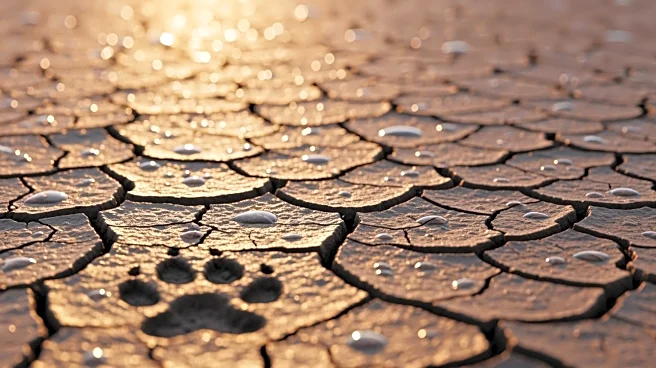
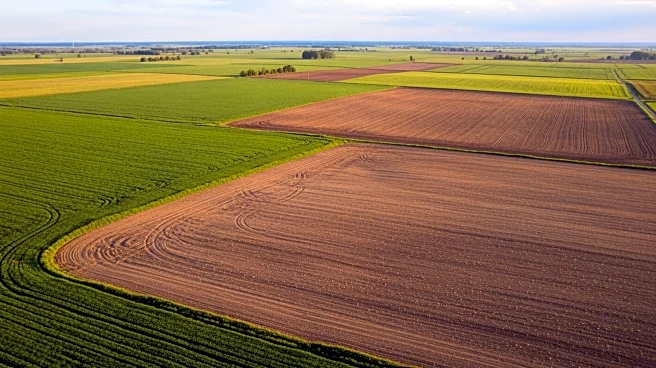
The Eco Iraq Observatory has reported that only 46% of Iraq's arable land is currently under cultivation. Out of 28 million dunams suitable for agriculture, only 13 million are being used. The decline in agricultural activity is attributed to factors
such as water scarcity, low rainfall, drought, climate change, and inadequate government support. These issues have hindered farmers' ability to maintain and expand their cultivated areas, raising concerns about food security and increased reliance on imports.
Why It's Important?
The underutilization of Iraq's fertile land poses significant risks to the country's food security and economic stability. As climate change exacerbates water scarcity and drought conditions, Iraq's dependence on food imports could increase, affecting national food prices and availability. The situation underscores the need for strategic reforms in agricultural planning and water resource management to harness Iraq's agricultural potential and support rural communities.
What's Next?
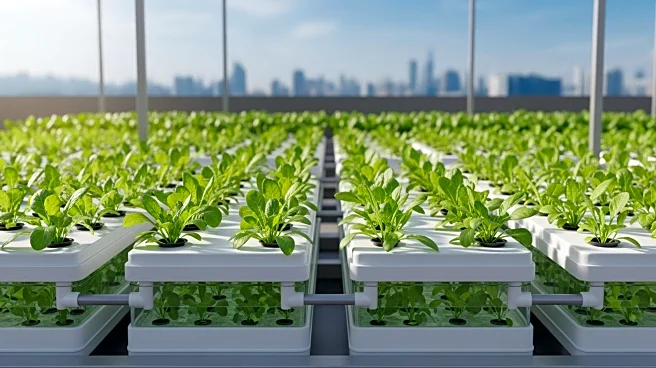
The Eco Iraq Observatory has called for a national strategy to address these challenges, recommending the modernization of irrigation systems, adoption of advanced farming technologies, and investment in rural development. Without coordinated efforts and long-term planning, Iraq's agricultural sector may continue to struggle, impacting the country's economic and social stability. The government's response to these recommendations will be crucial in determining the future of Iraq's agriculture.