



What's Happening?
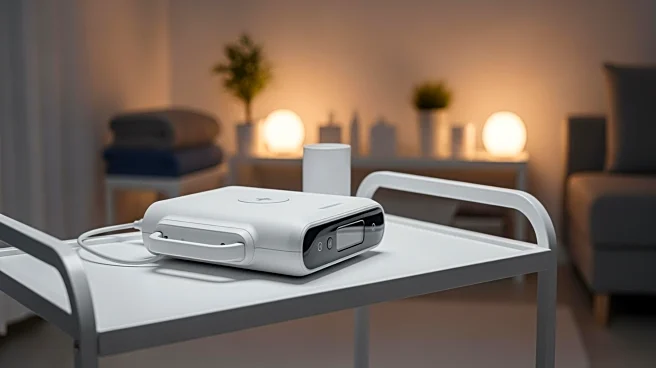
Clalit Medical Engineering, in collaboration with the Dan Petah Tikva district, has successfully concluded a six-month pilot program offering advanced X-ray services directly to patients' homes. This initiative primarily targets homebound patients who
face challenges in visiting clinics or hospitals. The service utilizes mobile imaging equipment operated by certified professionals, ensuring high-quality images that are sent directly to physicians for immediate diagnosis and treatment decisions. During the pilot, nearly 100 X-rays were performed, demonstrating the feasibility and effectiveness of home-based medical imaging. The program aims to enhance patient care by providing timely medical interventions and improving the overall treatment experience for patients who are unable to leave their homes.
Why It's Important?
The successful implementation of home X-ray services by Clalit Medical Engineering represents a significant advancement in healthcare delivery, particularly for homebound patients. This initiative not only addresses the logistical and physical challenges faced by these patients but also enhances their access to essential medical services. By enabling early diagnosis and preventing medical deterioration, the program potentially reduces healthcare costs associated with hospital visits and prolonged treatments. The high satisfaction rates among patients and medical staff highlight the program's effectiveness and its potential to be expanded to other regions. This development aligns with broader trends in healthcare towards more personalized and accessible services, leveraging technology to meet patient needs more effectively.
What's Next?
Following the successful pilot, Clalit Medical Engineering may consider expanding the home X-ray service to other districts, potentially benefiting a larger population of homebound patients. The positive feedback from the pilot could encourage further investment in mobile healthcare technologies, paving the way for additional services to be offered at home. Stakeholders, including healthcare providers and policymakers, might explore integrating similar models into broader healthcare strategies to improve patient outcomes and reduce system-wide costs. Continued collaboration with district personnel and a focus on patient-centered care will be crucial in scaling this initiative.
Beyond the Headlines
The introduction of home-based X-ray services by Clalit Medical Engineering could have broader implications for the healthcare industry, particularly in terms of ethical and logistical considerations. Ensuring patient privacy and data security will be paramount as more medical services are delivered in non-traditional settings. Additionally, the success of this pilot may prompt discussions about the role of technology in healthcare, potentially leading to innovations in other areas such as telemedicine and remote monitoring. As healthcare systems worldwide grapple with aging populations and increasing demand for services, models like Clalit's could offer valuable insights into sustainable and patient-friendly healthcare delivery.