



What's Happening?
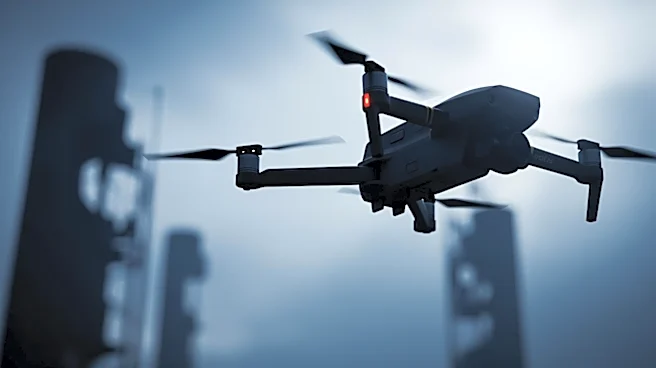
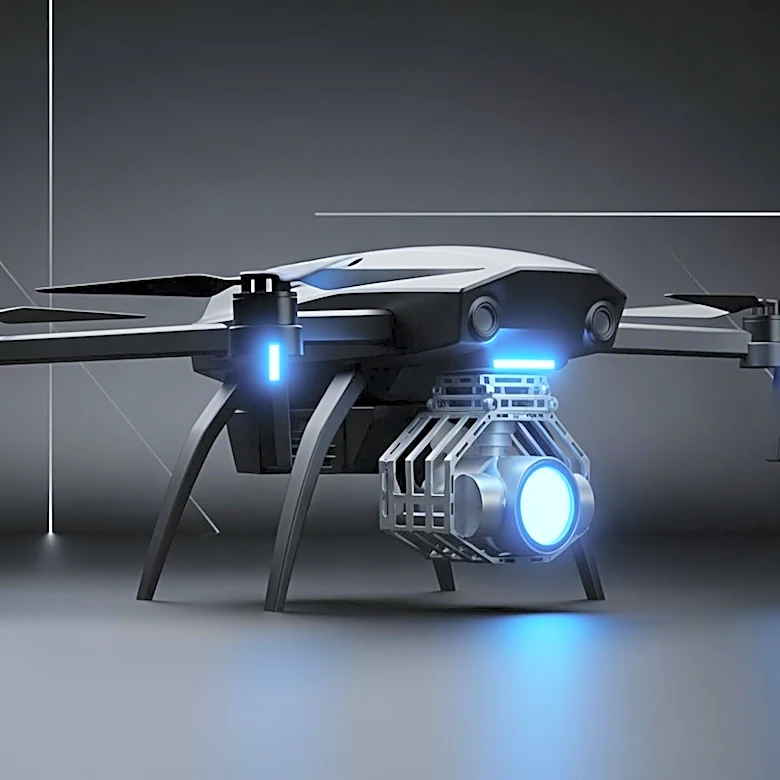
Ukrainian interceptor drones have begun autonomously shooting down Russian Shahed attack UAVs using a newly developed AI technology. This system, created by MaXon Systems as part of Ukraine's defense tech cluster Brave1, automates 95 percent of the interception
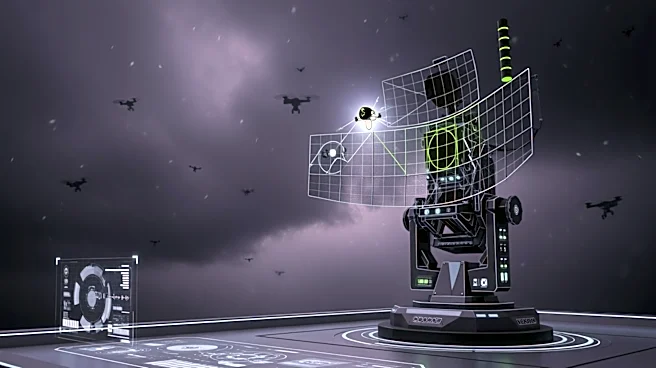
process. The technology integrates with Ukraine's radar network to track aerial targets in real time. During operations, an operator selects a target, and the software autonomously navigates the interceptor drone to the target area. The system includes a 'human-in-the-loop' safeguard, allowing operators to cancel attacks if necessary. This technology has successfully passed combat trials in the Kharkiv region and is part of a broader strategy to enhance Ukraine's air defense capabilities.
Why It's Important?
The development of autonomous drone interception technology is significant for Ukraine's defense strategy, especially as the country faces an increasing number of drone attacks from Russia. The ability to automate drone interceptions reduces the need for manual piloting, potentially increasing the efficiency and effectiveness of Ukraine's air defense systems. This advancement could help Ukraine better manage the growing volume of enemy attacks, as the number of Russian Shahed drones launched has been increasing by 35 percent each month. The successful deployment of this technology could serve as a model for other nations facing similar threats, highlighting the role of AI in modern warfare.
What's Next?
As Ukraine continues to face relentless drone attacks, the deployment of autonomous interception technology is expected to expand. The success of this technology in combat trials suggests that it could be integrated more widely into Ukraine's air defense network. This could lead to further investments in AI-driven defense technologies, potentially attracting international interest and collaboration. The ongoing conflict may also prompt other countries to explore similar technologies to enhance their own defense capabilities against aerial threats.