





What's Happening?
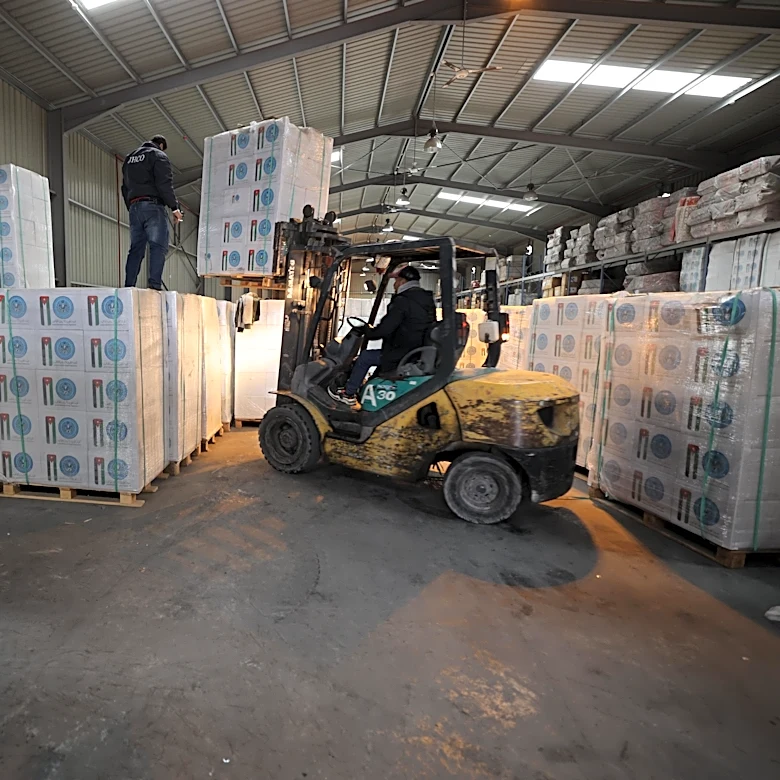
The foreign ministers of Australia, Canada, Italy, and Britain have issued a joint statement urging Israel to permit "immediate, rapid and unimpeded humanitarian access throughout Gaza." Their appeal highlights that approximately 150,000 tents and other
crucial supplies are currently being held at the border, unable to enter Gaza. The ministers emphasized that the humanitarian situation on the ground is dire but reversible, stressing the urgency of allowing aid before winter fully sets in. Recent floods have exacerbated the crisis, leading to fatalities, damaged shelters, and the suspension of essential services. The UN Children's Fund (UNICEF) estimates that around 1.7 million of Gaza's 2.1 million residents are living in tents, makeshift shelters, or damaged buildings, underscoring the critical need for shelter and supplies.
Why It's Important?
This joint call from four Western nations underscores growing international concern over the humanitarian crisis in Gaza and the perceived impediments to aid delivery. The inability to deliver 150,000 tents and other vital supplies directly impacts the survival and well-being of a significant portion of Gaza's population, particularly as winter approaches and flood conditions worsen. The situation highlights the complex interplay between security concerns and humanitarian imperatives, placing international pressure on Israel to balance these factors. The continued restriction of aid could lead to further loss of life, increased displacement, and a deepening of the humanitarian catastrophe, potentially destabilizing the region and drawing further international condemnation. The involvement of multiple foreign ministers signifies a coordinated diplomatic effort to address a critical and time-sensitive issue.
What's Next?
The foreign ministers' statement explicitly calls on the Israeli government to "stop the delays now and allow immediate, rapid and unimpeded humanitarian access throughout Gaza." They insist that crossings must be opened and dual-use items necessary for humanitarian operations and early recovery must be granted entry. This appeal follows a broader call last week from 53 UN member states and other organizations for Israel's incoming government to lift aid restrictions. The international community will likely continue to monitor the situation closely, awaiting a response from Israeli officials regarding changes to aid access policies. Further diplomatic pressure and potential resolutions at international bodies could follow if the situation does not improve, especially as winter conditions intensify.
Beyond the Headlines
The ongoing challenges in delivering humanitarian aid to Gaza raise profound questions about international humanitarian law and the responsibilities of states in conflict zones. The concept of 'dual-use items'—goods that can have both civilian and military applications—often complicates aid efforts, leading to delays and restrictions. This situation highlights the ethical dilemma of balancing national security concerns with the imperative to prevent a humanitarian catastrophe. The long-term implications include potential shifts in international policy regarding aid delivery in conflict areas, increased scrutiny of blockades, and a re-evaluation of the mechanisms for ensuring humanitarian access. The crisis also underscores the vulnerability of civilian populations caught in prolonged conflicts, particularly when compounded by natural disasters.