






What's Happening?
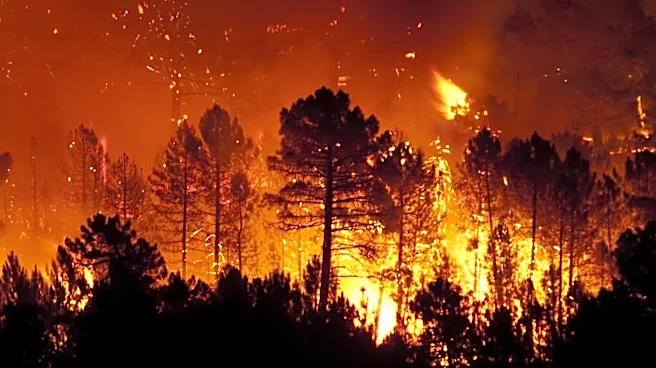
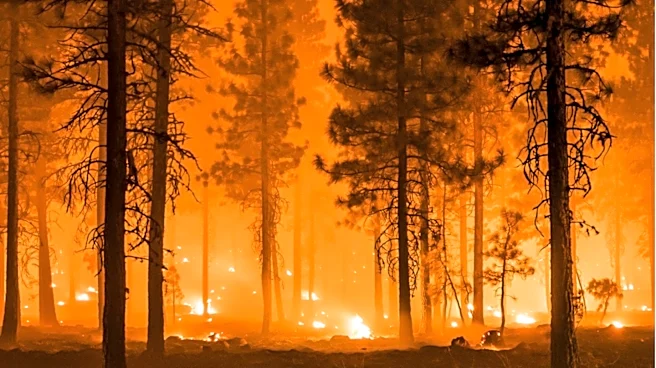
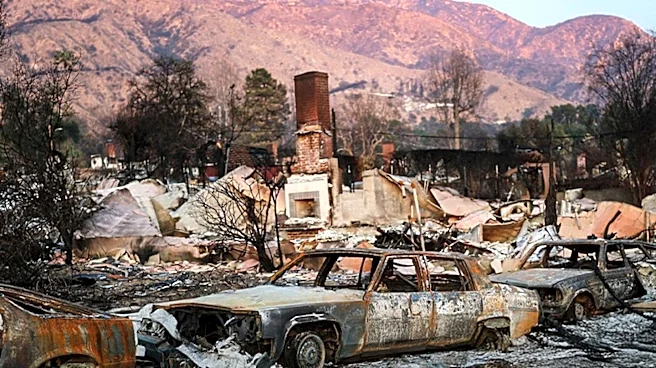
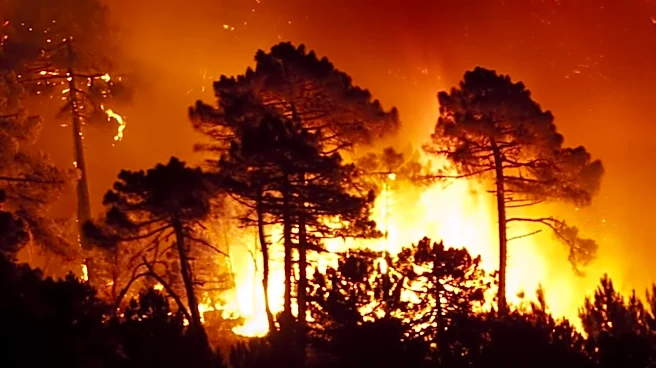
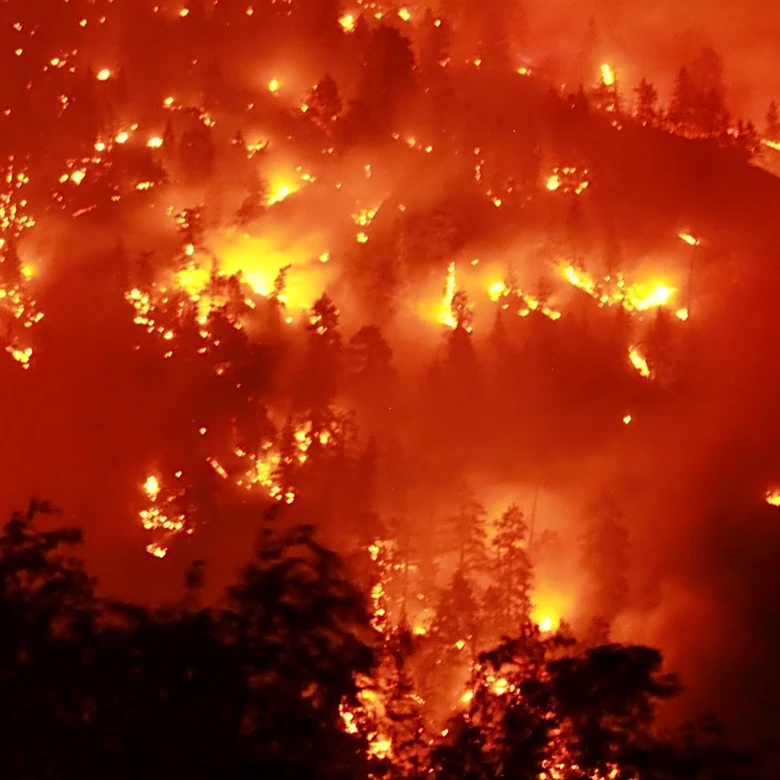
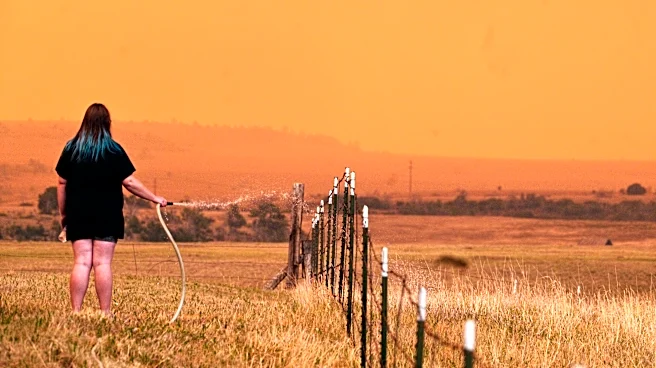
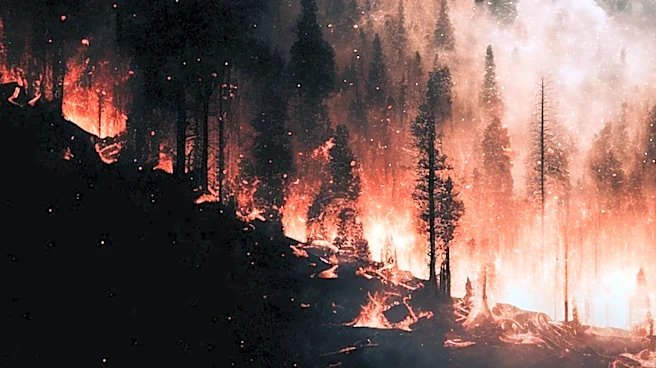
The Aspen Acres Fire in southern Colorado has rapidly expanded, becoming the eighth largest wildfire in the state's history. As of July 3, 2026, the fire has burned approximately 74,265 acres, surpassing the 2002 Missionary Fire. The fire's growth is fueled
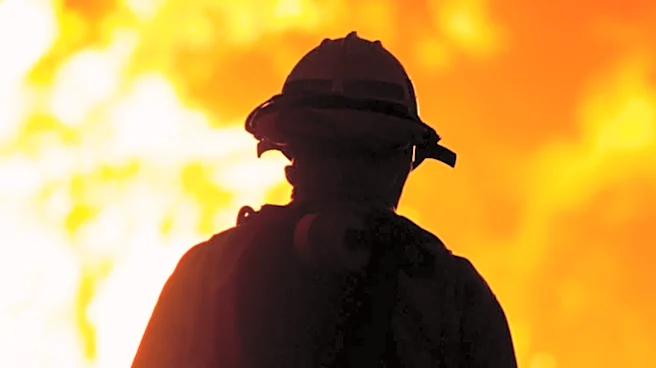
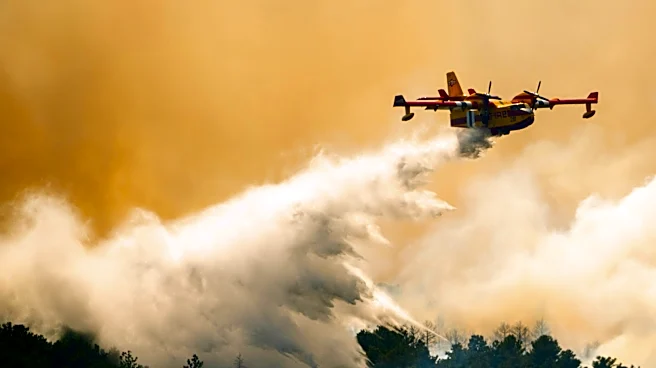
by warm temperatures, strong winds, and low humidity, complicating firefighting efforts. Incident Commander Jake Livingston reported that firefighting teams are focusing on point protection and utilizing bulldozers and aircraft to manage the fire's perimeter. Evacuations have been ordered for over 11,000 residents, with additional resources, including 90 fire engines and National Guard members, being deployed to assist in containment efforts.
Why It's Important?
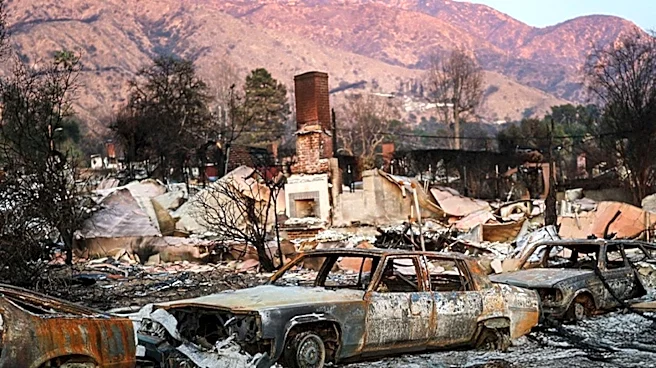
The Aspen Acres Fire poses significant risks to communities, infrastructure, and natural resources in Colorado. The scale of the fire highlights the increasing frequency and intensity of wildfires in the region, likely exacerbated by climate conditions. The fire's impact on local communities is profound, with thousands evacuated and properties at risk. The response to this fire will test the capacity of emergency services and highlight the need for effective wildfire management strategies. The situation underscores the importance of public cooperation in fire prevention, especially during high-risk periods.
What's Next?
Efforts to contain the Aspen Acres Fire will continue, with additional resources being mobilized to support firefighting operations. Authorities are urging residents to comply with evacuation orders and avoid activities that could ignite new fires. The focus will remain on protecting lives and property while working to control the fire's spread. As conditions evolve, updates on evacuation zones and fire containment progress will be crucial for affected communities. The incident may prompt discussions on long-term strategies for wildfire prevention and management in Colorado.