




What's Happening?
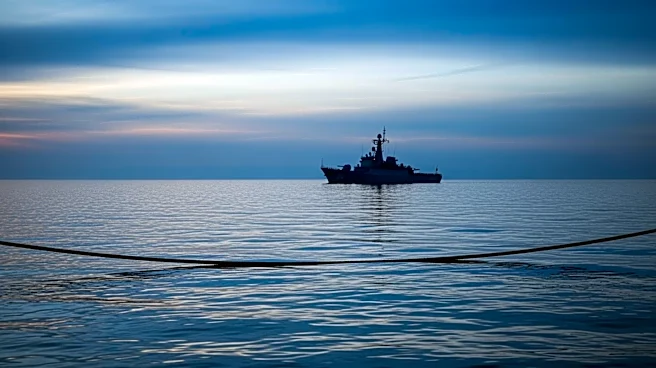
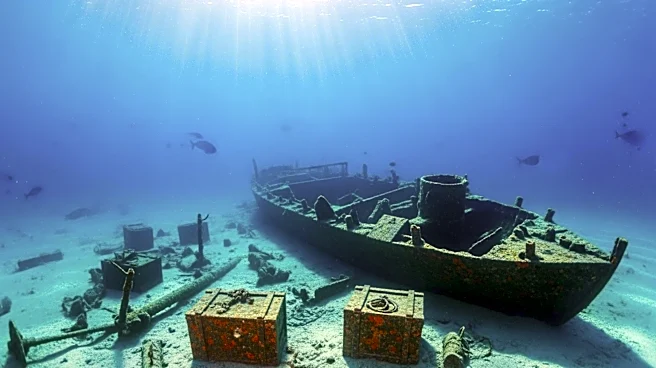
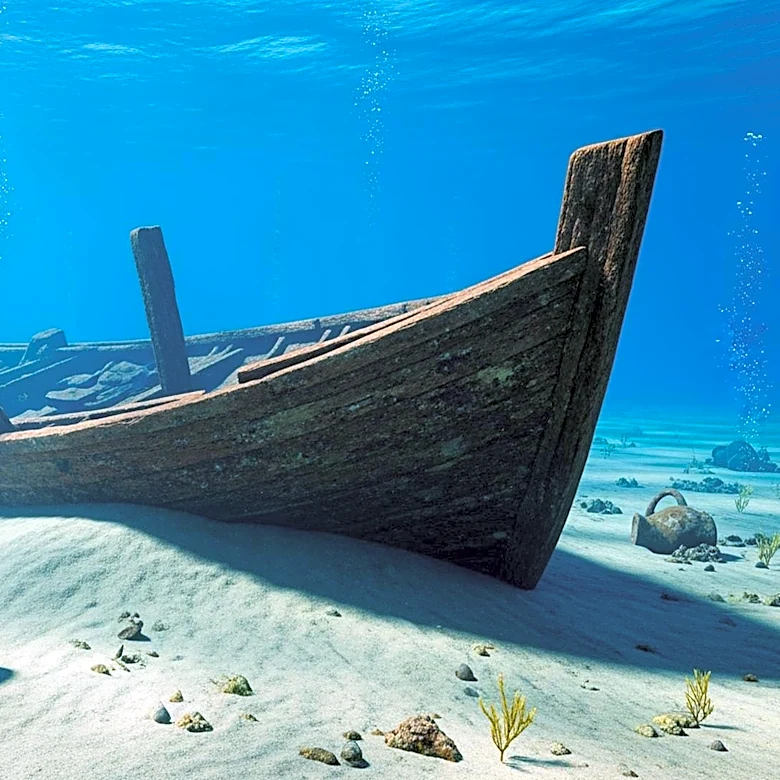
A U.S. military dive team has commenced the recovery of artifacts from the wreck of the Oryoku Maru, a Japanese 'hell ship' that sank in Subic Bay, Philippines, in December 1944. The ship was transporting over 1,600 Allied prisoners of war when it was attacked
by U.S. aircraft. The recovery operation, led by the Defense POW/MIA Accounting Agency, is considered the most complex underwater mission in its history. The team aims to locate and identify the remains of more than 250 unaccounted-for Americans. The operation involves mapping the site with advanced technology and collaborating with Filipino partners.
Why It's Important?
The recovery of artifacts and remains from the Oryoku Maru is significant for historical and humanitarian reasons. It aims to provide closure to the families of the missing servicemen and honor the memory of those who suffered and perished during the war. The operation also highlights the ongoing efforts to account for missing military personnel and the use of advanced technology in archaeological and forensic investigations. This mission may enhance understanding of WWII history and the experiences of POWs in the Pacific theater.
What's Next?
The first phase of the recovery operation is scheduled to continue through April, with the full effort expected to take years. The artifacts and remains recovered will be analyzed at the DPAA laboratory in Pearl Harbor, with DNA testing conducted in Delaware. The operation may lead to the identification of remains, providing long-awaited answers to families. The collaboration with Filipino authorities may also strengthen bilateral relations and contribute to the preservation of shared historical heritage.