




What's Happening?
Rep. Josh Harder (CA-09) has introduced new legislation, the 'Partnerships for Better Health Act,' aimed at addressing high rates of chronic diseases like diabetes and food insecurity in the Valley. The bill proposes the creation of a new grant program
within the U.S. Department of Health and Human Services (HHS), in collaboration with the U.S. Department of Agriculture (USDA). This program would provide $15 million annually through 2031 to expand access to healthy food, offer nutrition support and education, and connect individuals with necessary health care and social services. The initiative seeks to bridge the gap between patients and existing community services, particularly in underserved and rural areas, by fostering coordinated, wrap-around care systems. Rep. Harder emphasized that people with chronic diseases should not struggle with poor nutrition in a region that produces a significant portion of the nation's food.
Why It's Important?
This legislation is important because it directly targets critical public health issues in the U.S., specifically chronic diseases and food insecurity, which disproportionately affect communities like the Valley. By investing in nutrition support and health care partnerships, the bill aims to improve health outcomes and reduce the burden on emergency services. Chronic diseases place a heavy toll on families and the healthcare system, and a lack of access to nutritious food exacerbates these conditions. The proposed grant program seeks to create a more integrated and preventative approach to healthcare, moving beyond reactive treatment to proactive community-based solutions. This could lead to a healthier population, reduced healthcare costs, and a more stable community by addressing the root causes of poor health.
What's Next?
The 'Partnerships for Better Health Act' will now proceed through the legislative process in Congress. Its future will depend on gaining bipartisan support and navigating committee reviews. If passed, the U.S. Department of Health and Human Services, in consultation with the U.S. Department of Agriculture, would be responsible for establishing and implementing the grant program. This would involve developing guidelines for grant applications, identifying eligible community partnerships, and distributing the allocated $15 million annually. Local organizations, such as the Stockton Emergency Food Bank and University of the Pacific, which have already demonstrated success with integrated care and nutrition services, could serve as models for other communities seeking to implement similar programs.
Beyond the Headlines
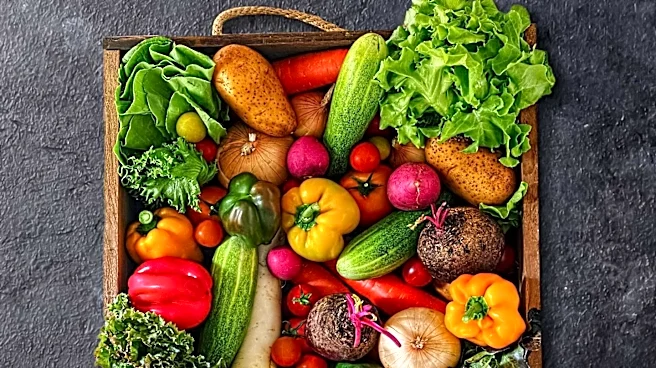
The 'Partnerships for Better Health Act' highlights a growing recognition of the interconnectedness between food, health, and community well-being. It underscores the 'food is medicine' concept, advocating for nutrition as a fundamental component of healthcare, rather than a separate concern. This approach could trigger a broader shift in public health policy, encouraging more holistic interventions that address social determinants of health. Furthermore, by emphasizing community partnerships, the bill acknowledges the vital role local organizations play in delivering effective, culturally sensitive care. This could lead to increased collaboration between healthcare providers, food banks, educational institutions, and non-profits, fostering stronger community resilience and a more equitable distribution of health resources.