









What's Happening?
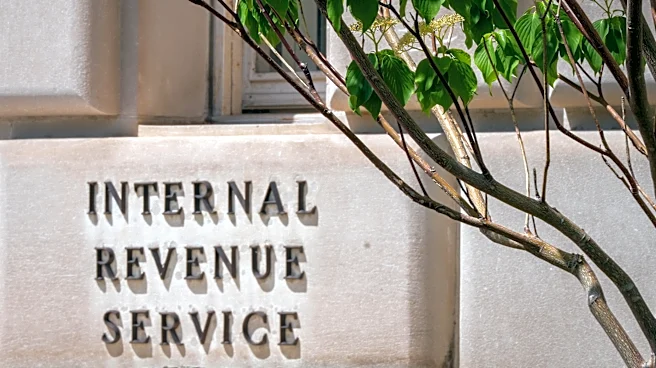
The IRS is offering tax refunds to Americans who incurred penalties and interest during the COVID-19 pandemic. This follows a federal court ruling in Kwong v. United States, which found that deadline extensions during the pandemic delayed the IRS's ability
to charge certain penalties. Taxpayers who filed returns late or paid penalties during the COVID-19 relief period may be eligible for refunds. Claims must be filed by July 10, 2026, to qualify. The refunds apply to tax years affected by the pandemic, specifically from January 20, 2020, to July 10, 2023.
Why It's Important?
This development is significant as it provides financial relief to taxpayers who were penalized during a challenging economic period. The refunds could represent substantial sums for many individuals, potentially alleviating financial burdens. The ruling underscores the importance of fair tax administration and the impact of legal decisions on taxpayer rights. It also highlights the ongoing financial repercussions of the COVID-19 pandemic and the government's role in addressing these issues.
What's Next?
Eligible taxpayers must act quickly to file claims by the July 10 deadline. The IRS has introduced an online option for filing Form 843, which may streamline the process. Taxpayers who miss the deadline will forfeit their right to claim refunds. Legal and financial advisors may see increased demand for guidance on eligibility and filing procedures. The outcome of this refund initiative could influence future tax policy and the handling of similar situations.