






What's Happening?
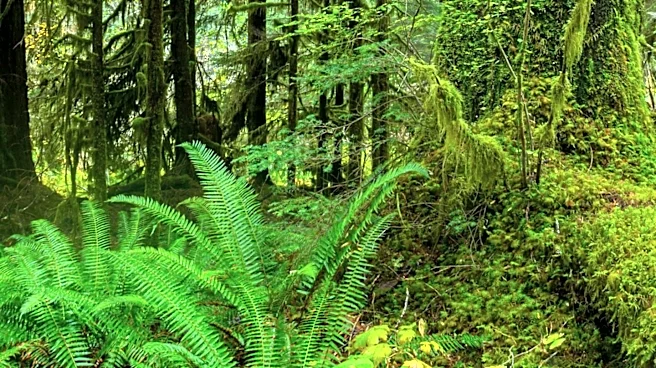
Michigan's old-growth forests are drawing increasing numbers of visitors eager to experience landscapes shaped by centuries of natural development. Steve Voelker, associate professor of forestry and environmental sciences at Michigan Technological University,
notes that the Upper Peninsula preserves the majority of the state's old-growth forest areas. These forests often exist in smaller tracts that were less accessible during Michigan's historical logging era. While many states, particularly east of the Mississippi River, have less than 1% of their original old-growth forests remaining, Michigan stands out with a comparatively higher conservation rate. Interestingly, some areas harvested during Michigan's earliest logging days are now recovering, with trees approaching the 150-year age mark, which is the general threshold for defining an old-growth forest. These recovering forests contain trees that were either too young or deemed unusable by the industry at the time of initial logging.
Why It's Important?
The preservation and recovery of Michigan's old-growth forests represent a significant conservation success story in the eastern U.S. These forests serve as vital ecological benchmarks, offering insights into natural forest processes and providing critical habitats for diverse wildlife. Their existence attracts nature enthusiasts, contributing to local tourism and supporting the appreciation of natural heritage. The ongoing recovery of previously logged areas into potential old-growth stands demonstrates the long-term resilience of forest ecosystems and the potential for ecological restoration. This trend highlights the importance of historical land use patterns and the impact of selective logging practices on forest regeneration. For the U.S., these forests underscore the value of conservation efforts and provide living laboratories for studying forest ecology, climate change impacts, and sustainable land management.
What's Next?
The increasing interest in Michigan's old-growth forests suggests a growing demand for nature-based tourism and educational opportunities. Organizations like the Keweenaw Land Trust are already seeing high demand for guided hikes, indicating a need for expanded access and interpretive programs. As more previously logged areas approach old-growth status, there will be opportunities to designate and protect these emerging ecosystems. Continued research by institutions like Michigan Technological University will be crucial to monitor the health and development of these forests. Policymakers and land managers may need to consider strategies for balancing public access with conservation goals, ensuring these unique natural assets are protected for future generations while providing educational and recreational benefits. The success in Michigan could also serve as a model for other states looking to restore and preserve their own old-growth forest remnants.
Beyond the Headlines
The appreciation for Michigan's old-growth forests reflects a deeper societal value placed on natural heritage and the long-term perspective of ecological processes. These 'nature's elders' offer a sense of perspective, reminding humans of their place within the natural world and the slow, enduring power of nature. The fact that some of these forests are recovering from past logging activities also carries a message of hope and resilience, suggesting that even heavily impacted landscapes can, over time, regain significant ecological value. This cultural shift towards valuing ancient trees and complex forest ecosystems can influence broader environmental ethics and public support for conservation initiatives. It also highlights the importance of protecting remaining old-growth forests as irreplaceable natural archives and living monuments to ecological history, fostering a sense of stewardship and connection to the land.