






What's Happening?
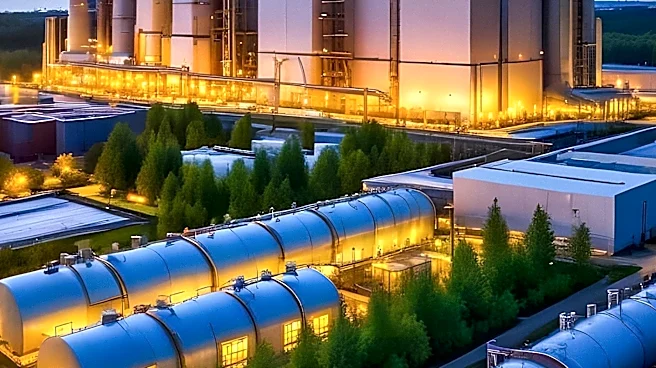
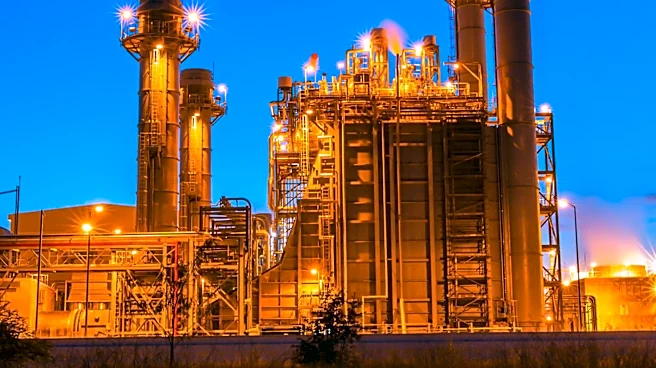
Pacific Gas and Electric Company (PG&E) maintains and operates three natural gas-fired power plants within California. These facilities include the Humboldt Bay Generating Station located in Eureka, the Colusa Generating Station in Colusa County, and the Gateway
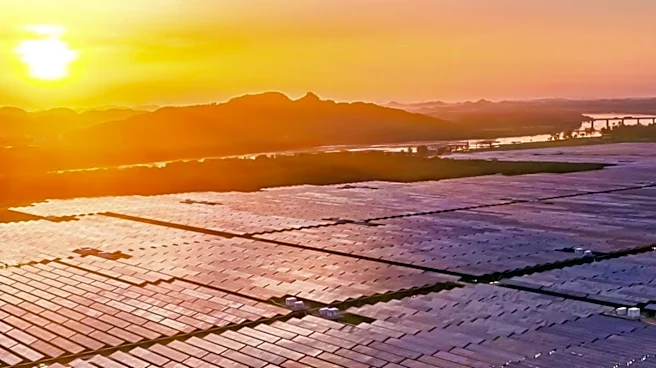
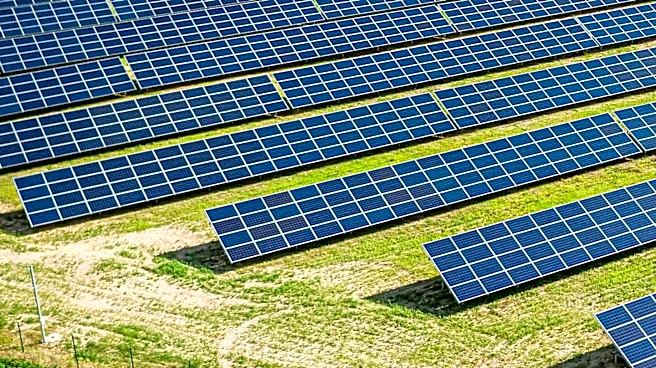
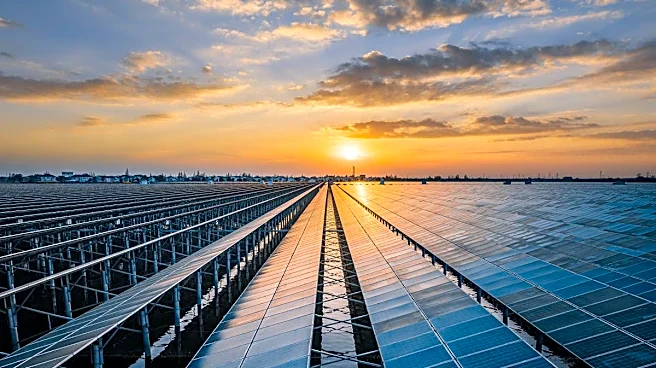
Generating Station situated in Antioch. These gas-fired plants are integral components of PG&E's broader power generation infrastructure, which also encompasses a significant array of hydroelectric facilities, utility-scale solar generation plants, and battery storage solutions, such as the Elkhorn Battery facility at Moss Landing in Monterey County. The company's Power Generation unit is responsible for managing approximately 5,300 megawatts of generating capacity, delivered to its customers by nearly 900 employees. This diverse energy portfolio aims to provide safe, reliable, and cost-effective electricity to California consumers while adhering to environmental responsibilities. The operation of these natural gas plants highlights PG&E's reliance on a mix of energy sources to meet demand.
Why It's Important?
The continued operation of PG&E's natural gas-fired power plants is significant for California's energy landscape and the broader U.S. energy sector. These plants provide a crucial source of dispatchable power, meaning they can be ramped up or down quickly to meet fluctuating electricity demands, thereby ensuring grid stability and reliability. This is particularly important as California increasingly integrates intermittent renewable energy sources like solar and wind, which are dependent on weather conditions. Natural gas plants can fill the gaps when renewable generation is low, preventing blackouts and maintaining a consistent power supply. However, their operation also contributes to greenhouse gas emissions, posing a challenge to California's ambitious climate goals. The balance between energy reliability and environmental impact is a critical policy consideration, affecting regulatory decisions, investment in new energy technologies, and the state's transition to a cleaner energy future. Stakeholders include environmental groups advocating for faster decarbonization, energy consumers concerned about reliability and costs, and PG&E itself, which must navigate these competing priorities.
What's Next?
Looking ahead, PG&E will likely continue to manage its portfolio of natural gas-fired plants in conjunction with its expanding renewable and storage assets. The company's strategy will be influenced by evolving state energy policies, which are increasingly pushing for decarbonization and greater reliance on renewable energy. This could lead to further investments in battery storage and other non-fossil fuel generation methods to reduce dependence on natural gas. Regulatory bodies will play a key role in setting emission standards and incentivizing cleaner energy solutions, potentially impacting the operational parameters or future of these gas plants. PG&E may also explore technologies like carbon capture and storage for its gas plants to mitigate their environmental impact, although such solutions are still developing. The ongoing challenge for PG&E will be to maintain grid reliability and affordability for consumers while progressively transitioning towards a lower-carbon energy mix, aligning with California's long-term climate objectives.
Beyond the Headlines
The operation of natural gas plants by PG&E reflects a broader national and global energy dilemma: how to transition to sustainable energy sources without compromising energy security and economic stability. While natural gas is often considered a 'bridge fuel' in the transition from coal to renewables due to its lower emissions compared to coal, its continued use still contributes to climate change. This raises ethical questions about the pace of decarbonization and the responsibility of large utility companies in addressing environmental challenges. Legally, PG&E operates within a complex framework of state and federal environmental regulations, energy mandates, and market mechanisms designed to balance energy supply with environmental protection. Culturally, there is a growing public demand for cleaner energy, which puts pressure on utilities to accelerate their shift away from fossil fuels. The long-term implications involve not only technological advancements in renewable energy and storage but also significant societal shifts in energy consumption patterns and infrastructure development, all while ensuring equitable access to reliable and affordable power.