





What's Happening?
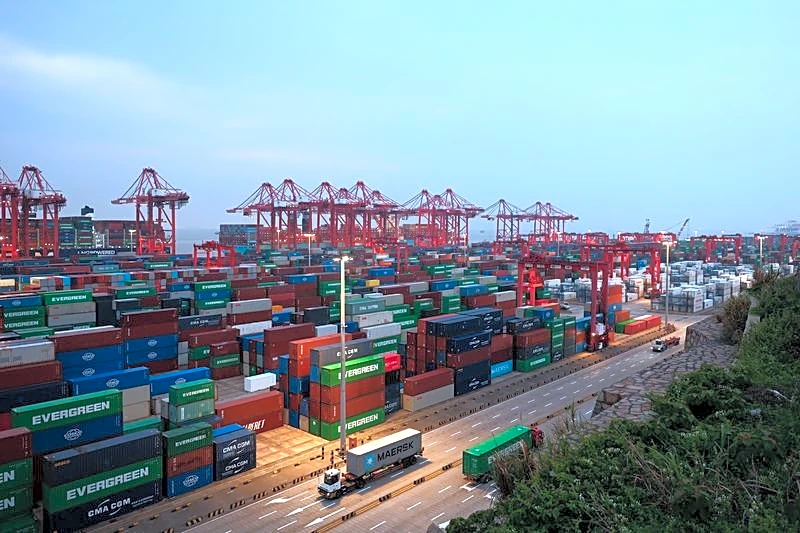
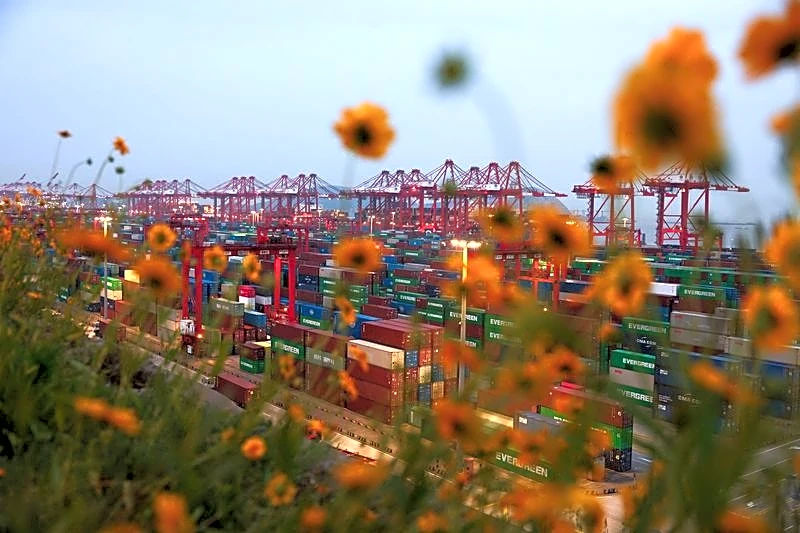
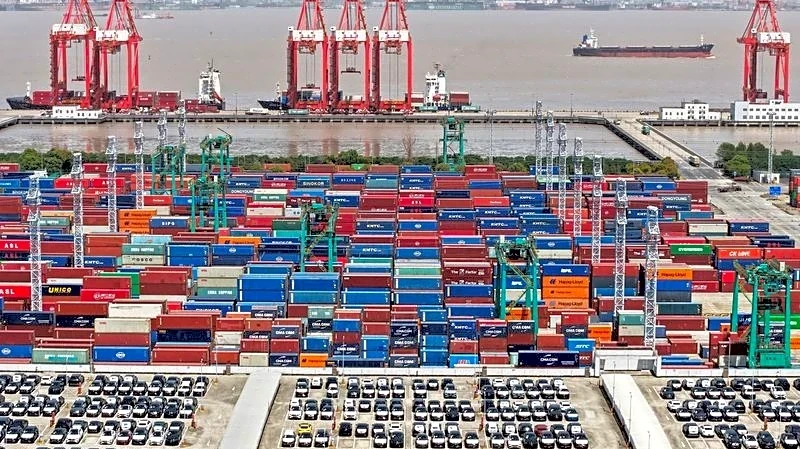
China's economy expanded by 4.5% in the July-September quarter compared to the previous year, primarily fueled by strong export performance. This growth rate marks an acceleration from the 4.3% recorded in the April-June quarter, which was the slowest
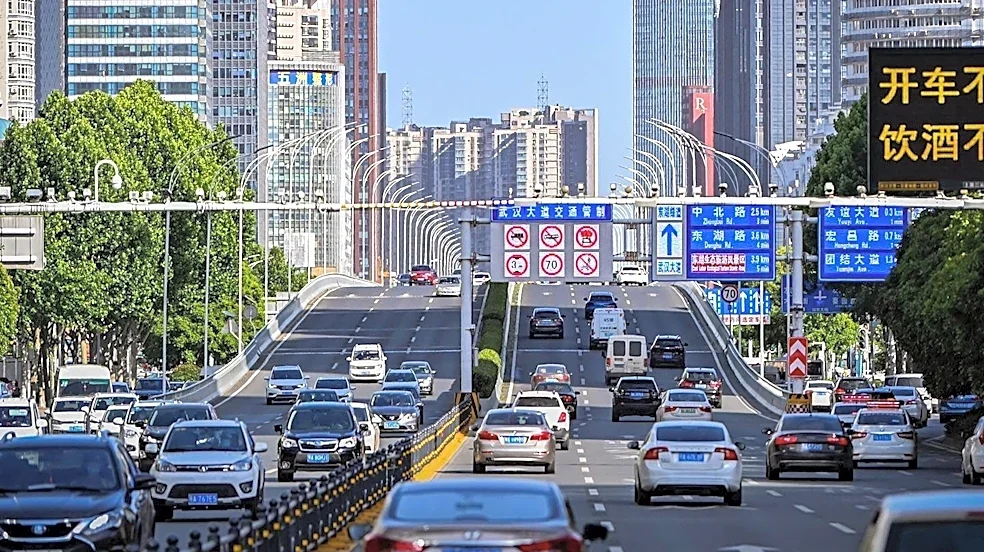
expansion in over three years. For the first three quarters of the year, the economy grew by 4.6%. Chinese leaders have set an annual growth target of 4.5%-5% for the year, a slight decrease from last year's 5% expansion. The International Monetary Fund recently adjusted its forecast for China's 2026 economic growth to 4.5%, aligning with the lower end of Beijing's target. Economists like Dave Chia from Moody's Analytics note that while exports remain strong, domestic demand is weak, largely due to a prolonged downturn in the property market. Mao Shengyong, deputy head of China's National Bureau of Statistics, acknowledged the complex international environment, insufficient domestic demand, and the need to consolidate the foundation for a stable economy.
Why It's Important?
China's reliance on exports for economic growth presents significant implications for global trade and U.S. economic interests. With a projected trade surplus exceeding last year's record $1.2 trillion, and a $938 billion surplus between January and September, China's export-driven model creates imbalances that concern its trading partners, including the U.S. and the European Union. The U.S. has already implemented tariffs on some Chinese goods, prompting China to diversify its export markets to regions like Southeast Asia, Latin America, and Europe. The surge in high-tech exports, such as semiconductors and electric vehicles, often supported by government subsidies, leads to competitive pricing in international markets. This strategy raises fears among trading partners about the potential threat to their domestic industries and job markets. Experts like Eswar Prasad of Cornell University argue that China's persistent large trade surpluses make it a drag on world growth rather than an engine, as it relies on foreign demand to sustain its own growth.
What's Next?
The trajectory of China's economy suggests continued focus on export-led growth, which will likely intensify trade tensions with major economic blocs. The European Union, already facing a significant trade deficit with China, is exploring further curbs on Chinese imports, as evidenced by a recent agreement to halve Chinese hybrid vehicle imports over the next few years. This indicates a trend towards increased protectionism globally as countries seek to safeguard their industries and jobs. While China aims to maintain market access and has shown willingness to negotiate, as seen with the EU hybrid car deal, resolving fundamental trade imbalances will be challenging and protracted. Policymakers in other nations will likely continue to pressure China regarding its trade practices, including claims of an undervalued yuan, which China's central bank has dismissed. This environment suggests ongoing negotiations, potential new trade barriers, and a continued global debate on fair trade practices and economic sovereignty.
Beyond the Headlines
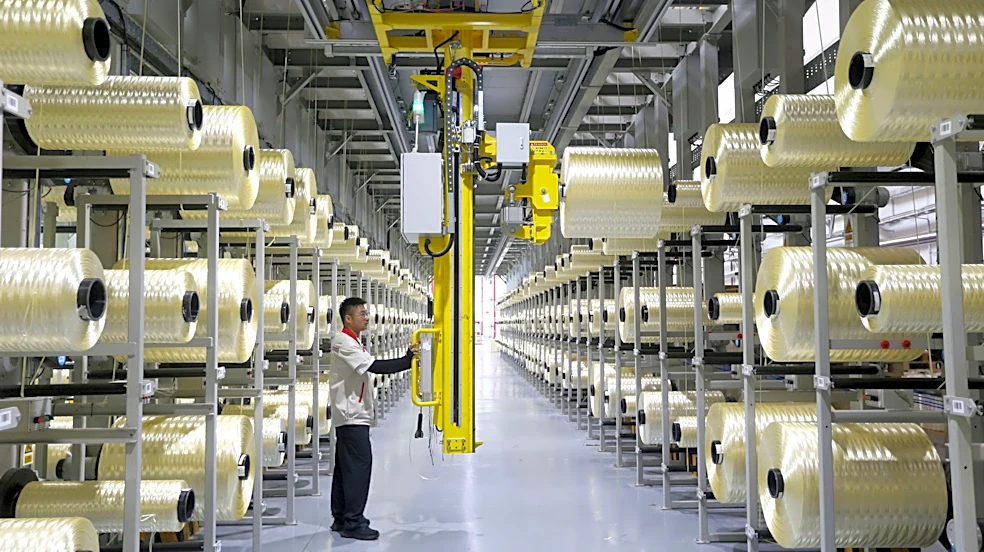
The current economic situation in China highlights a deeper structural challenge: the sustainability of an export-reliant, tech-driven growth model that shows limited job creation and broad income gains domestically. This model, while boosting GDP, may not translate into widespread prosperity for its citizens, especially with growing risks of AI-driven labor displacement. The internal disparities across industries, regions, and households, as noted by Max Zenglein of The Conference Board, are masked by headline growth figures. This could lead to social and economic instability within China if domestic consumption remains weak and job opportunities do not keep pace with technological advancements. For the U.S. and other developed economies, the influx of competitively priced Chinese goods, particularly in strategic sectors like green energy and advanced technology, poses a long-term challenge to industrial policy and national security, potentially accelerating de-industrialization in certain sectors and increasing global supply chain dependencies.