





What's Happening?
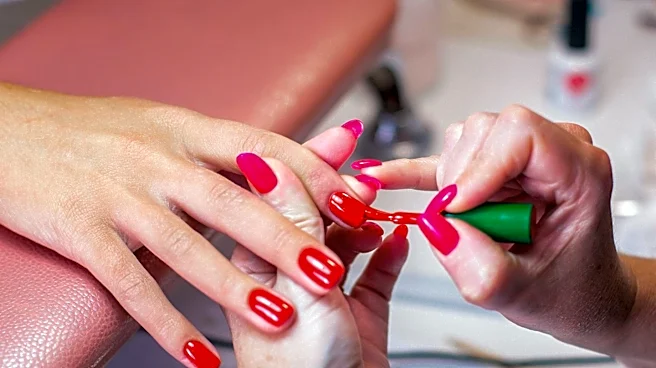
Miami-Dade County Public Schools has implemented a policy that prohibits its food service staff from wearing artificial nails and all types of fingernail polish, specifically including gel and powder finishes. This policy came to light following an incident
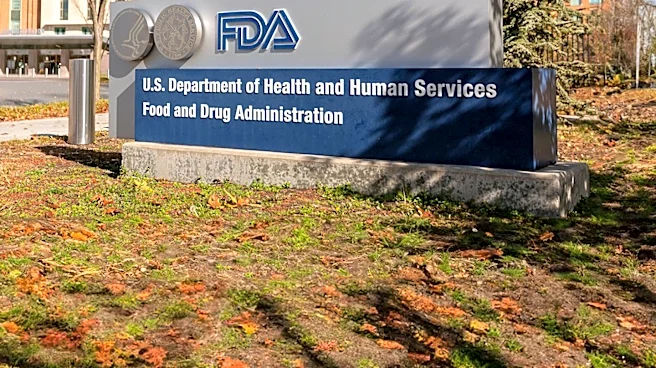
where a school cook was reportedly sent home due to her nails, despite claiming prior approval from HR for French tips. The cook stated her nails were natural, powdered, and shaped, and argued that kitchen staff wear gloves while handling food. The FDA's Food Code, which serves as a model for state and local food safety regulations, generally permits nail polish and artificial nails for food employees if they wear intact, well-maintained gloves. However, employers retain the right to establish stricter rules than the federal code, a right exercised by Miami-Dade County Public Schools.
Why It's Important?
This policy highlights a potential conflict between individual employee rights and employer-mandated health and safety regulations, particularly in the food service industry. While the FDA Food Code provides a baseline, local entities like school districts can impose more stringent requirements, leading to varied interpretations and enforcement across different jurisdictions. For food service workers, such policies can impact personal expression and employment, especially if there's a discrepancy between HR guidance and on-site management enforcement. For school districts, these rules are typically justified by a commitment to maintaining the highest standards of food safety for students, even if they exceed federal guidelines. The incident also underscores the importance of clear and consistent communication regarding workplace policies to prevent misunderstandings and disputes between employees and management.
What's Next?
The school cook involved in the incident plans to escalate the dispute by emailing HR and addressing the issue in person, indicating a potential internal review of the policy's application or communication. This situation may prompt Miami-Dade County Public Schools to clarify its nail policy for food service staff, ensuring all levels of management and new hires are fully aware of the specific restrictions. Other school districts or food service providers might review their own policies in light of this incident to ensure they are both compliant with federal guidelines and clearly communicated to employees. The broader discussion around workplace grooming standards versus individual expression, especially when health and safety are factors, could also gain traction.
Beyond the Headlines
The incident touches upon the broader theme of workplace autonomy versus organizational control, particularly in sectors with strict hygiene requirements. While food safety is paramount, the specific prohibition of all nail polish, even with gloves, raises questions about the scientific basis for such stringent rules compared to the FDA's more permissive stance. It also highlights the power dynamics within workplaces, where a manager's interpretation can override initial HR assurances. This scenario could lead to discussions about the need for standardized, transparent policies that are consistently applied and communicated, reducing ambiguity for employees. Furthermore, it subtly brings to light the challenges faced by employees in lower-level positions when confronting management over perceived inconsistencies or unfair treatment.