




What's Happening?
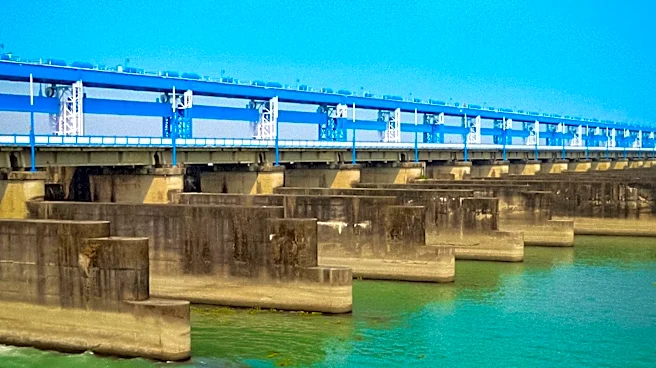
The U.S. House of Representatives has passed water resources legislation that includes language proposed by Democratic U.S. Rep. Ilhan Omar of Minnesota. This provision specifically addresses the Upper St. Anthony Falls Lock and a cutoff wall located
beneath the Mississippi River in Minneapolis. The measure aims to clarify that the Army Corps of Engineers is the owner of the cutoff wall and is responsible for its ongoing maintenance. This clarification is intended to resolve long-standing questions regarding the responsibility for the structure, which is crucial for the stability of the Mississippi River in the Minneapolis area. Rep. Omar stated that the passage of this language addresses concerns raised by officials from Minneapolis, Hennepin County, and the state of Minnesota regarding river stability near St. Anthony Falls. She expressed gratitude to the community and government partners who collaborated on this legislative effort. The inclusion of this language in the Water Resources Development Act (WRDA) signifies a federal commitment to maintaining critical infrastructure in the region.
Why It's Important?
This legislative action is significant for several reasons, primarily impacting infrastructure and environmental policy in the U.S. The clarification of ownership and maintenance responsibilities for the cutoff wall beneath the Mississippi River is crucial for ensuring the long-term stability and safety of this vital waterway in Minneapolis. Without clear accountability, essential maintenance could be neglected, leading to potential environmental hazards, structural failures, and economic disruptions for the communities reliant on the river. By assigning responsibility to the Army Corps of Engineers, the bill ensures that a federal entity with the necessary resources and expertise is tasked with safeguarding this critical infrastructure. This move also demonstrates the effectiveness of local and state advocacy in influencing federal policy, as Rep. Omar's efforts were driven by concerns from Minneapolis and Hennepin County officials. Furthermore, it highlights the ongoing importance of the Water Resources Development Act in addressing diverse water-related infrastructure needs across the nation, from navigation to flood control and environmental protection. The stability of the Mississippi River is not only an environmental concern but also an economic one, impacting transportation, commerce, and local industries.
What's Next?
Following its passage in the House, the water resources legislation, including Rep. Ilhan Omar's language, will proceed through the legislative process, likely moving to the Senate for consideration. If passed by the Senate and signed into law, the Army Corps of Engineers will formally assume responsibility for the ownership and maintenance of the cutoff wall beneath the Mississippi River in Minneapolis. This will necessitate the Corps developing and implementing a long-term maintenance plan for the structure, potentially involving new funding allocations and operational procedures. Local and state officials in Minnesota will likely monitor the implementation of these responsibilities to ensure the stability of the Mississippi River is adequately protected. The successful inclusion of this language could also serve as a precedent for other communities facing similar ambiguities regarding critical infrastructure ownership and maintenance, encouraging them to advocate for federal clarification and support through legislative channels. The ongoing collaboration between federal, state, and local entities will be crucial for the effective management of this vital water resource.
Beyond the Headlines
The seemingly technical clarification of ownership for a cutoff wall in the Mississippi River carries broader implications for federal-local partnerships and the future of infrastructure management in the U.S. This case highlights a common challenge where critical infrastructure, often built decades ago, lacks clear lines of responsibility, leading to potential neglect and deferred maintenance. The successful advocacy by Rep. Omar and local officials underscores the importance of proactive engagement to prevent future crises rather than reacting to failures. Ethically, it reinforces the principle that public safety and environmental stewardship should not be compromised by bureaucratic ambiguities. Culturally, the Mississippi River holds immense significance as a historical and economic artery, and its stability is integral to the identity and well-being of communities along its banks. This legislative action sets a precedent for how federal agencies can be mandated to take ownership of vital, yet often overlooked, infrastructure components, ensuring their longevity and the continued health of the ecosystems and economies they support. It also subtly emphasizes the role of individual lawmakers in translating local concerns into national policy, demonstrating the grassroots impact on federal governance.