






What's Happening?
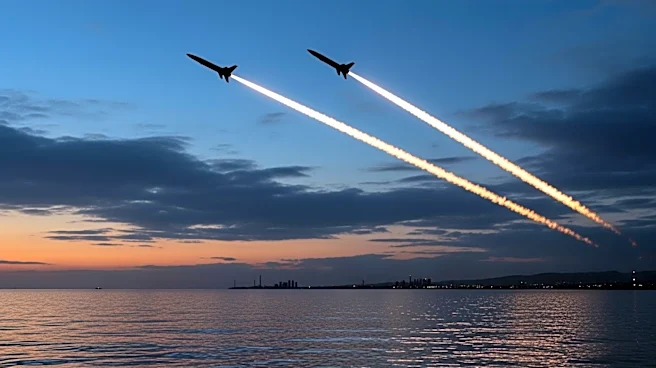
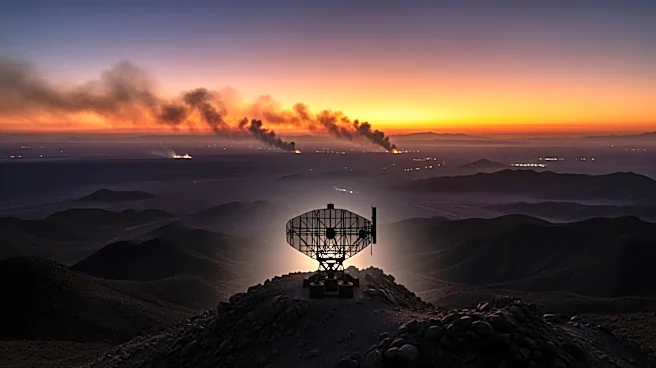
Recent military exchanges between the United States and Iran have raised concerns about the stability of a fragile ceasefire and the prospects for reopening the Strait of Hormuz. Iran targeted U.S. military facilities in Bahrain and Kuwait, prompting
U.S. retaliatory strikes on Iranian assets near the Strait. These developments come amid ongoing negotiations aimed at extending a truce and restoring commercial traffic through the critical waterway. However, unresolved issues such as freedom of navigation, Iran's nuclear program, and the release of frozen Iranian assets continue to hinder progress. The renewed fighting has led to increased oil prices, reflecting concerns over Middle East supply disruptions.
Why It's Important?
The Strait of Hormuz is a crucial route for global oil and LNG shipments, handling about one-fifth of the world's supply. Any prolonged disruption could tighten energy markets and complicate efforts to restore regional crude and natural gas exports. The ongoing conflict underscores the geopolitical tensions in the Middle East and the challenges in achieving a diplomatic resolution that addresses both nuclear and regional security concerns. The situation also highlights the potential economic impact of military confrontations on global energy markets and the importance of maintaining open and secure shipping lanes.
What's Next?
Negotiations between the U.S. and Iran are expected to continue, with both sides signaling support for a diplomatic resolution. However, the lack of a meaningful breakthrough underscores the ongoing risks facing energy markets and Gulf shipping. The international community will be closely monitoring these developments, as any escalation could have far-reaching implications for regional security and global energy markets. The U.S. may face pressure to address Iran's demands for sanctions relief and recognition of its control over the Strait of Hormuz.