





What's Happening?
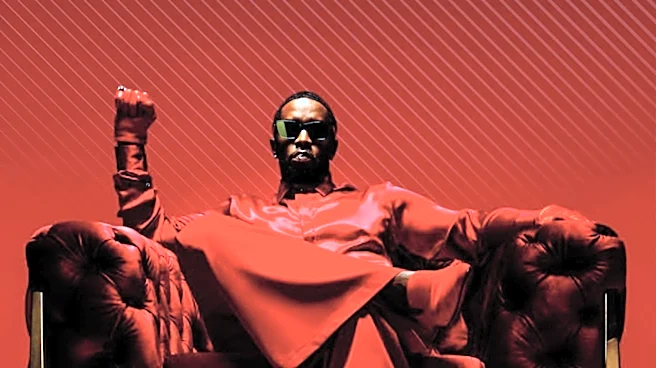
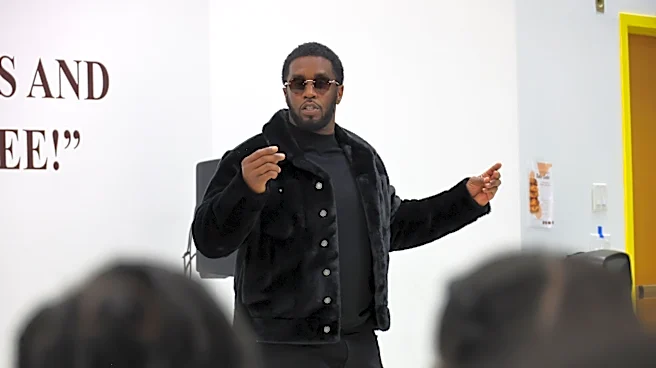
Attorneys from Sher Tremonte LLP, representing Sean 'Diddy' Combs in a $100 million defamation lawsuit, have filed a motion in Manhattan federal court to withdraw from the case. The firm, including Michael Tremonte, Erica Wolff, and Katie Renzler, alleges
that Combs has not made payments for legal fees, costs, and expenses for over six months, accumulating 'substantial arrears.' Furthermore, the lawyers claim a 'total breakdown in cooperation and communication,' stating that Combs has been unavailable for timely and substantive discussions regarding his cases for more than four months. Combs, through his spokesperson Juda Engelmayer, disputes this characterization, asserting that he decided to change counsel due to what he describes as excessive and unauthorized legal bills. He views the disagreement as 'strictly a business matter' concerning charges he did not approve. The defamation lawsuit, which initially sought $50 million before being amended to $100 million, was filed by Combs against Courtney Burgess, attorney Ariel Mitchell, and Nexstar Media Inc. over statements he claims damaged his reputation. The defendants have contested these claims, and the lawsuit has partially survived efforts to dismiss it.
Why It's Important?
This development is significant as it introduces a major complication into a high-stakes defamation lawsuit involving a prominent public figure. The potential withdrawal of legal counsel due to financial disputes and communication issues can severely impact the progression and outcome of the case. For Sean 'Diddy' Combs, losing his current legal team could disrupt his defense strategy at a critical juncture, especially given that portions of the defamation case remain active and discussions about mediation or settlement have been ongoing. The dispute also highlights the inherent challenges in attorney-client relationships, particularly when financial agreements and communication falter. For the legal system, it underscores the court's role in balancing a client's right to representation with a firm's right to withdraw under specific circumstances. The outcome of the judge's decision on the withdrawal motion will set a precedent for how such disputes are handled in complex, high-profile litigation, potentially influencing future attorney-client engagements and the management of legal fees in the entertainment industry.
What's Next?
A federal judge must now rule on Sher Tremonte LLP's motion to withdraw from representing Sean 'Diddy' Combs. If the withdrawal is approved, Combs will need to secure new legal counsel to continue his $100 million defamation lawsuit against Courtney Burgess, Ariel Mitchell, and Nexstar Media Inc. His representative has indicated that civil attorney Jonathan Davis is expected to take over the representation. The timing of this transition is crucial, as the parties have been considering mediation or a settlement conference. A change in counsel at this stage could complicate negotiations, discovery processes, and overall litigation strategy. The court's decision will determine whether the case proceeds with new representation or if Combs will face the challenge of representing himself, known as pro se, in a complex federal lawsuit. The ongoing legal battle will continue to unfold, with potential impacts on Combs' public image and financial standing, especially given his recent indictment on charges of racketeering and sex trafficking.
Beyond the Headlines
The dispute between Sean 'Diddy' Combs and his legal team extends beyond a simple billing disagreement, touching upon broader ethical and professional considerations within the legal field. The firm's claim of a 'total breakdown in cooperation and communication' suggests a deeper rift than just unpaid fees, raising questions about client engagement and the responsibilities of both parties in maintaining an effective attorney-client relationship. For Combs, who is already facing significant legal challenges, including an indictment for racketeering and sex trafficking, this situation adds another layer of complexity to his public and legal battles. The incident could influence how other high-profile individuals manage their legal teams and financial obligations, potentially leading to more stringent contractual agreements or communication protocols. Furthermore, the court's handling of this withdrawal request will be closely watched, as it could set a precedent for how federal courts address attorney-client disputes in cases involving substantial public interest and financial stakes, potentially impacting the dynamics of legal representation in the entertainment and media sectors.