







What's Happening?
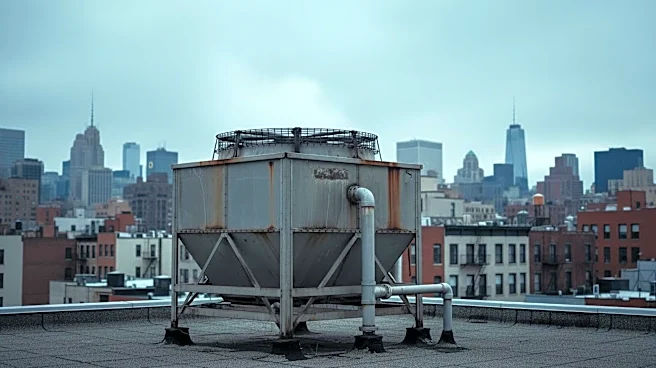
The New York City Department of Health is investigating a cluster of Legionnaires' disease on the Upper East Side, with 23 confirmed cases and 17 hospitalizations. The outbreak is believed to be linked to a cooling tower in the area, which may have spread
the bacteria through mist. The affected neighborhoods include Carnegie Hill and Yorkville, with residents advised to monitor for flu-like symptoms. The health department has assured that the plumbing systems are safe, and residents can continue using tap water and air conditioning. The outbreak was detected in a small area from East 74th to East 96th streets, and the source of the bacteria is still under investigation.
Why It's Important?
The outbreak of Legionnaires' disease highlights the ongoing public health challenges posed by bacterial infections in urban environments. Legionnaires' disease can be fatal, particularly for individuals with compromised immune systems or chronic lung conditions. The situation underscores the importance of regular maintenance and monitoring of cooling towers to prevent such outbreaks. The health department's response and communication are crucial in managing public concern and preventing further cases. This incident also raises awareness about the need for vigilance in public health infrastructure to protect vulnerable populations.
What's Next?
Health officials are continuing to investigate the source of the outbreak and are conducting tests on cooling towers in the affected area. Residents and workers in the impacted zones are advised to seek medical attention if they experience symptoms. The health department is likely to increase inspections and enforce regulations on cooling tower maintenance to prevent future outbreaks. Public health campaigns may be initiated to educate the community about the risks and symptoms of Legionnaires' disease.