
What's Happening?
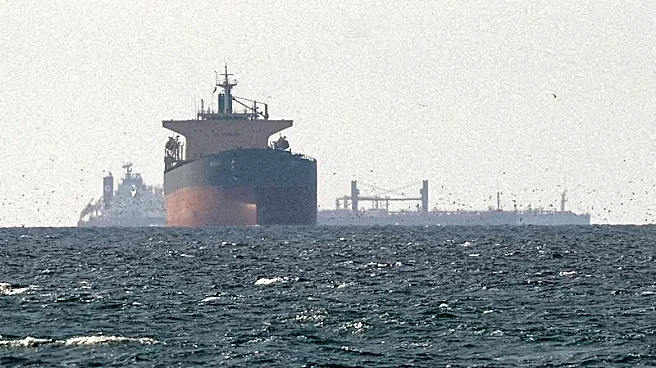
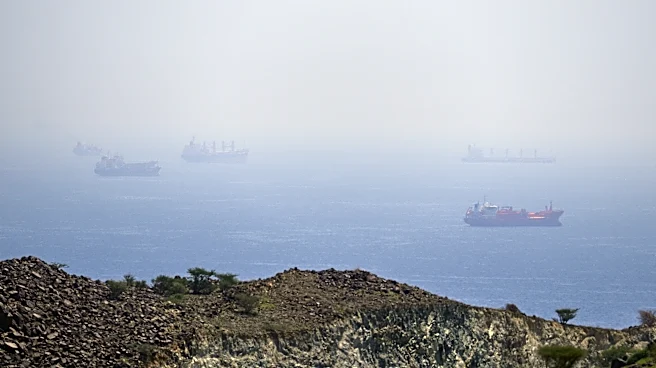
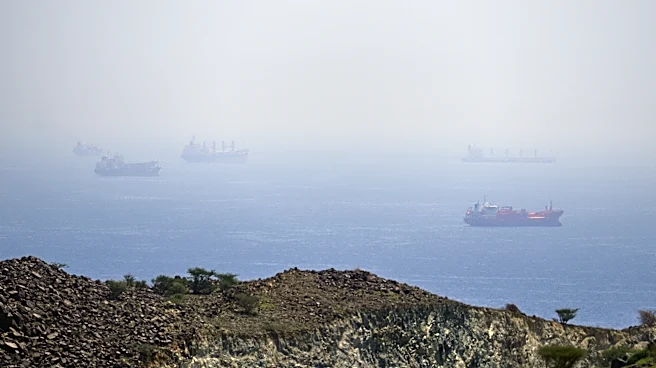
The International Energy Agency (IEA) has declared the ongoing conflict between Iran, the United States, and Israel as the worst energy crisis in history. The crisis has severely impacted maritime traffic
in the Strait of Hormuz, a critical passage for global oil and liquefied natural gas flows. This situation is compounded by the effects of Russia's war with Ukraine, which disrupted Russian gas supplies to Europe. The IEA has responded by releasing 400 million barrels of oil from strategic stockpiles to mitigate rising oil prices. The agency's head, Birol, emphasized the severity of the crisis, comparing it to previous energy crises in 1973, 1979, and 2022.
Why It's Important?
The energy crisis has significant implications for global markets, affecting oil prices and supply chains worldwide. The disruption in the Strait of Hormuz, a vital conduit for energy resources, poses a threat to global economic stability. Countries reliant on oil imports face increased costs and potential shortages, impacting industries and consumers. The crisis also highlights geopolitical tensions, with the Middle East conflict exacerbating existing challenges from the Russia-Ukraine war. The IEA's intervention underscores the urgency of addressing these disruptions to prevent further economic fallout.