






What's Happening?
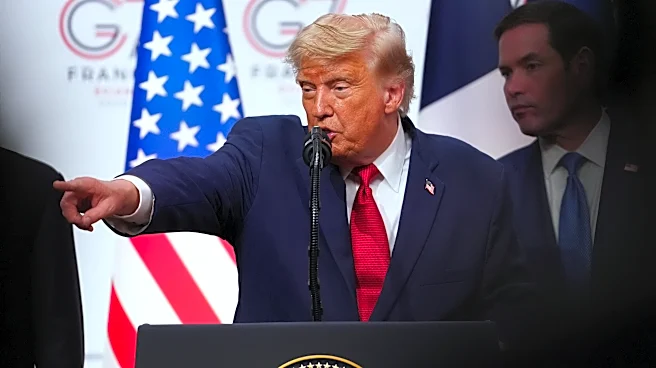
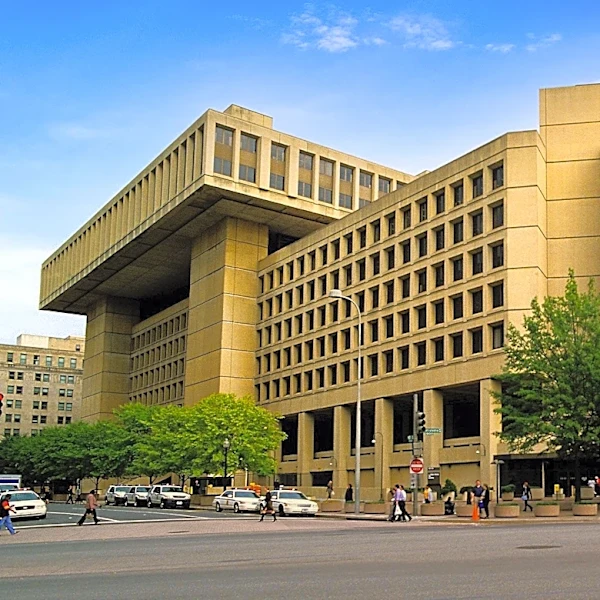
The U.S. Department of Justice (DOJ) has declined a request from U.S. District Judge Leonie Brinkema to provide a sworn statement that a $1.8 billion fund, intended for victims of political 'weaponization,' will not be established. The DOJ argued that such
declarations are unnecessary and raise serious separation of powers concerns. This decision follows Judge Brinkema's ruling that a lawsuit challenging the fund can proceed, despite assurances from the DOJ that the fund plan was abandoned. The judge indicated she might dismiss the case if top officials, including Acting Attorney General Todd Blanche, provided declarations under penalty of perjury. The DOJ maintains that previous statements and congressional testimony suffice.
Why It's Important?
This development highlights the ongoing legal and political tensions surrounding the proposed fund, which critics have labeled a 'slush fund' for President Trump's allies. The DOJ's refusal to comply with the judge's request underscores the complex interplay between the judiciary and executive branches, particularly concerning oversight and accountability. The case's outcome could have significant implications for how similar funds are scrutinized and managed in the future, potentially affecting public trust in government financial practices.
What's Next?
With the DOJ's refusal to provide the requested declarations, Judge Brinkema may proceed with a full schedule for the lawsuit. This could lead to further legal battles and public scrutiny of the fund's legitimacy and purpose. Additionally, a separate federal judge in Florida is considering reopening related proceedings to investigate allegations of fraud in the settlement process. These developments could influence future legislative and judicial actions regarding government fund allocations.