


What's Happening?
A scholarly analysis by Eva Mroczek, Simon and Riva Spatz Chair in Jewish Studies and Professor in Religious Studies at Dalhousie University, explores how manuscript discovery stories often employ 'mythwashing' to obscure potentially illicit origins.
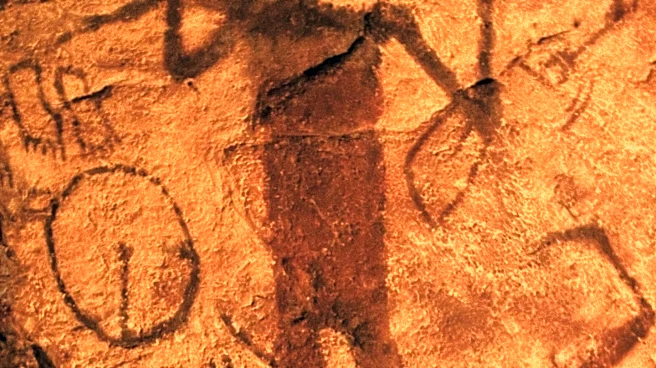
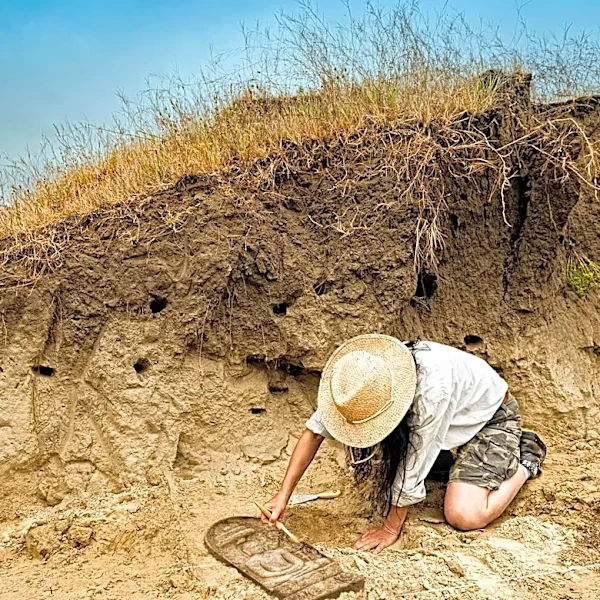
These narratives, frequently featuring tropes like shepherds finding scrolls in caves, create a sense of wonder and awe, distracting from the material reality of the ancient artifact trade. Mroczek's book, 'Hidden Scrolls, Buried Bibles: How We Discover the Sacred Past,' examines this phenomenon, noting that even when discovery stories are known to be dubious, they continue to be told. This 'mythwashing' can conceal crimes such as looting, smuggling, colonial violence, or forgery, particularly when artifacts lack clear provenance and are described as 'shrouded in mystery.' The article highlights the example of the Afghan Genizah manuscripts, whose 'mysterious' origins strongly suggest illegal looting and smuggling, despite popular narratives of their discovery.
Why It's Important?
This analysis is important because it challenges the romanticized narratives surrounding the discovery of ancient manuscripts, revealing how these stories can inadvertently, or intentionally, legitimize artifacts obtained through unethical or illegal means. By focusing on the 'mystery' and 'revelation' aspects, the public and even some scholars may overlook the often-criminal underpinnings of the antiquities market. This has significant implications for cultural heritage, as it can perpetuate the illicit trade of artifacts, leading to the loss of historical context and the destruction of archaeological sites. Furthermore, it raises ethical questions for institutions and collectors who acquire such items, urging a more critical examination of provenance and a greater responsibility in ensuring that acquisitions are not contributing to cultural plunder. The perpetuation of these myths also hinders a true understanding of history by prioritizing a captivating narrative over factual accuracy regarding an artifact's journey.
What's Next?
The insights from this analysis suggest a need for increased scrutiny of manuscript provenance within academic and collecting institutions. Scholars and researchers may be encouraged to critically evaluate discovery narratives and prioritize verifiable evidence of an artifact's origin. There could be a push for greater transparency in the acquisition processes of ancient manuscripts by museums, libraries, and private collectors. This might involve stricter ethical guidelines and due diligence to prevent the legitimization of illegally obtained artifacts. Furthermore, public education efforts could aim to demystify the process of archaeological discovery and the antiquities trade, fostering a more informed understanding of the complexities involved and the importance of ethical sourcing. The ongoing debate around the Afghan Genizah and similar cases will likely continue to serve as case studies for these discussions.
Beyond the Headlines
Beyond the immediate implications for the antiquities market, the concept of 'mythwashing' in manuscript discovery stories touches upon broader themes of narrative construction, cultural memory, and the power of storytelling. These myths often tap into deep-seated human desires for wonder, revelation, and connection to ancient wisdom, making them incredibly potent and resistant to factual challenge. The article highlights how these narratives can become a form of 'secular liturgy,' shaping how we perceive and value historical objects, sometimes more than the objects' actual content. This phenomenon raises questions about how societies construct and maintain their historical narratives, and how easily compelling stories can overshadow inconvenient truths. It also underscores the ethical responsibility of those who disseminate these stories, whether scholars, journalists, or institutions, to ensure that the pursuit of an engaging narrative does not inadvertently endorse or obscure illicit activities that harm cultural heritage.