







What's Happening?
President Trump has decided not to send U.S. envoys Steve Witkoff and Jared Kushner to Pakistan for negotiations with Iran, stating that the envoys can be contacted if needed. This decision follows a series of diplomatic engagements aimed at extending
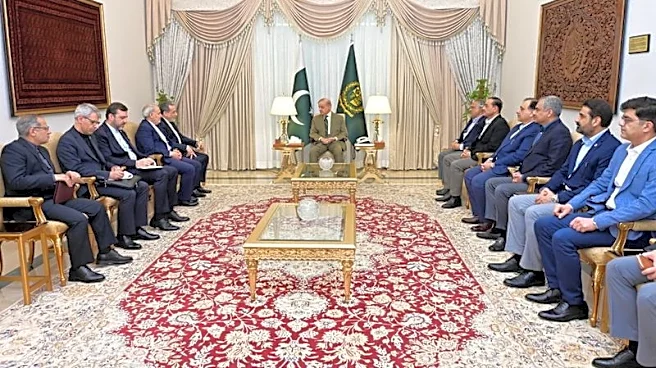
a ceasefire between Israel and Hezbollah, which has been prolonged by three weeks. The Trump administration has also imposed economic sanctions on entities involved in transporting Iranian oil, as part of efforts to cut off Iran's revenue sources. Meanwhile, Iranian Foreign Minister Abbas Araghchi has left Pakistan without meeting U.S. officials, signaling a potential setback in the mediation process.
Why It's Important?
The cancellation of the envoys' trip highlights the complexities and challenges in U.S.-Iran relations and the broader Middle Eastern geopolitical landscape. The extended ceasefire between Israel and Hezbollah is crucial for regional stability, but the lack of direct negotiations with Iran could hinder progress. The economic sanctions imposed by the U.S. aim to pressure Iran economically, but they also risk escalating tensions further. The situation remains fluid, with potential implications for international diplomacy, regional security, and global oil markets.
What's Next?
The focus will likely shift to how Iran and other regional players respond to the U.S. decision and the ongoing sanctions. The extended ceasefire between Israel and Hezbollah will be closely monitored for compliance and potential violations. Diplomatic efforts may continue through indirect channels, with Pakistan playing a key mediating role. The international community will be watching for any changes in U.S. policy or new diplomatic initiatives that could alter the current trajectory.