


What's Happening?
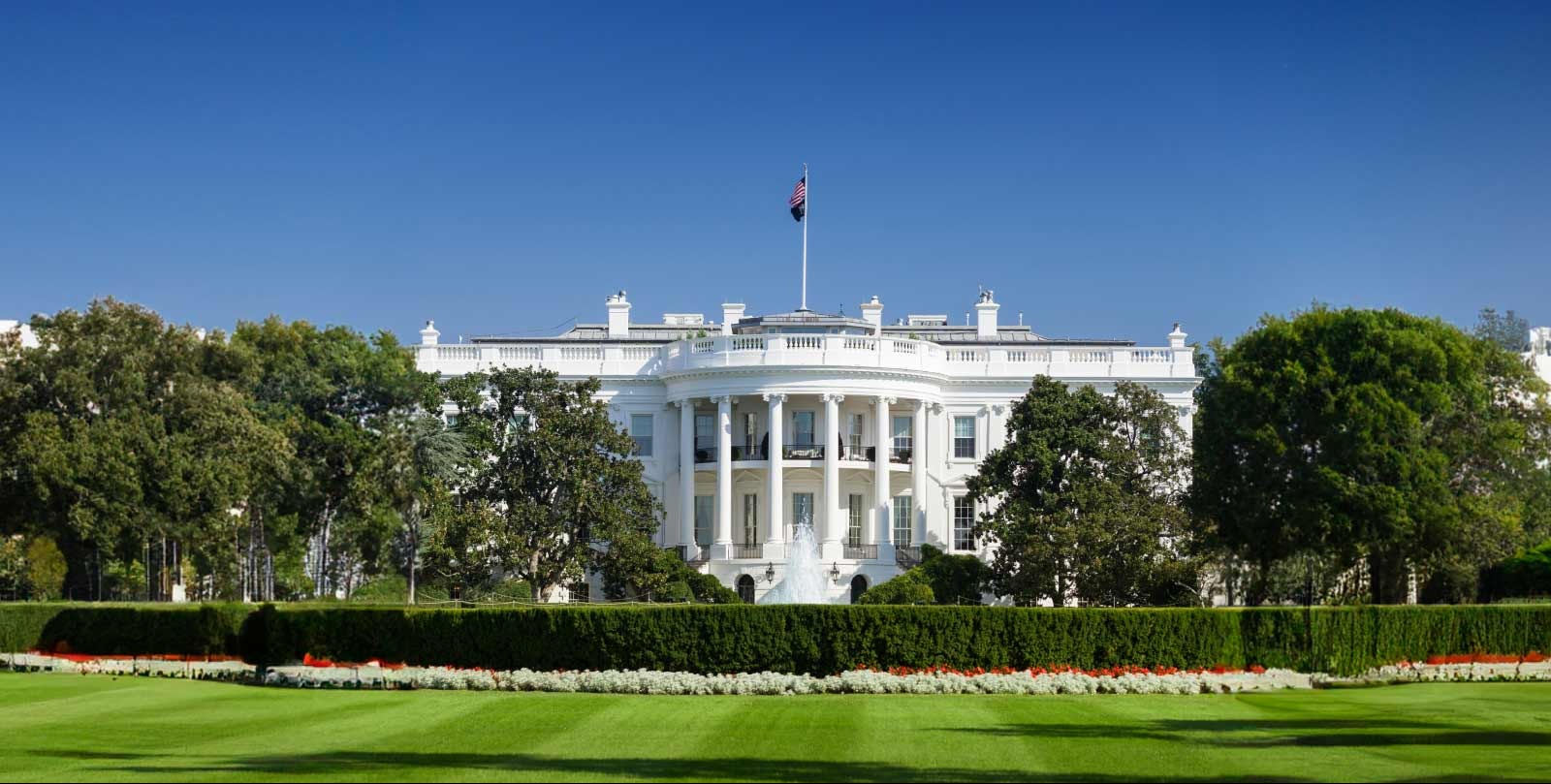
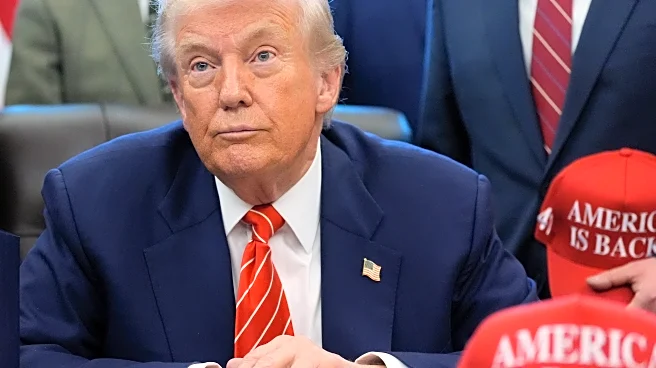
The U.S. Senate recently blocked a resolution that sought to restrict President Trump's ability to conduct military operations in Venezuela without congressional approval. The resolution was dismissed by a 51-50 vote, with Vice President JD Vance breaking
the tie. The resolution's supporters argued that the U.S. military's actions in Venezuela, including the capture of President Nicolas Maduro, constituted imminent hostilities requiring congressional authorization. However, the Trump administration maintained that these actions were judicial operations, not military ones. The vote reflects ongoing concerns in Congress about the president's foreign policy and the constitutional role of Congress in authorizing military force.
Why It's Important?
This event highlights the ongoing debate over the separation of powers in U.S. foreign policy, particularly the role of Congress versus the president in authorizing military actions. The resolution's failure underscores President Trump's influence over his party and the challenges faced by those seeking to assert congressional authority in military matters. The situation in Venezuela, including the U.S. military's involvement, remains a contentious issue, with potential implications for U.S. relations in the region and the broader international community.
What's Next?
The blocked resolution may lead to further legislative efforts to clarify the role of Congress in authorizing military actions. Lawmakers who support the resolution are likely to continue advocating for greater congressional oversight of military operations. Additionally, the situation in Venezuela and the U.S. military's involvement will remain under scrutiny, potentially influencing future U.S. foreign policy decisions and congressional actions.