




What's Happening?
The National Weather Service has canceled the extreme heat warning for northern and central Cook County, signaling a shift towards more moderate temperatures for the upcoming holiday weekend. This cancellation occurred midday Thursday, despite an earlier
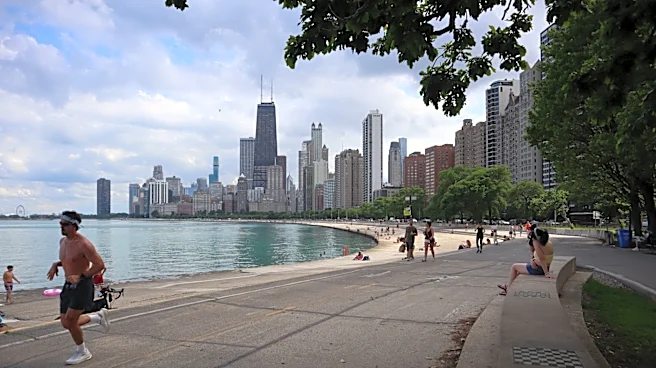
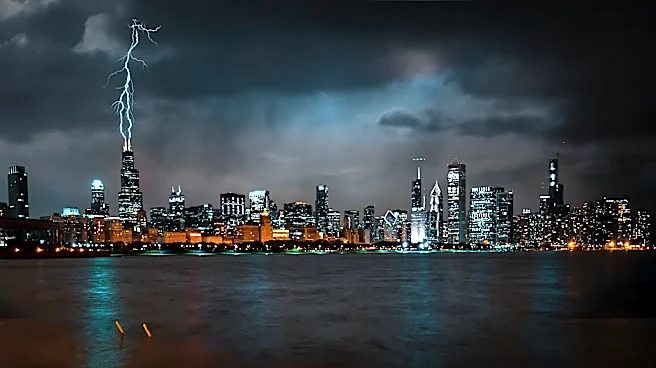
warning issued for the entire county, which was initially set to expire at 7 p.m. Forecasters had initially predicted heat indices exceeding 100 degrees Fahrenheit. However, morning storms across far northern Illinois and Wisconsin introduced a near-term cold front, mitigating the heat. As a result, temperatures across the Chicago area were in the mid-to-low 80s by early afternoon. The extreme heat warning remains in effect for southern Cook County. In response to the earlier heat advisory, Chicago Public Schools canceled all outdoor activities for Thursday or moved them indoors, including physical education and athletics. The Archdiocese of Chicago also canceled after-school practices or relocated them indoors, allowing students to wear T-shirts and shorts and moving classes to air-conditioned spaces. The preceding days had seen scorching temperatures, with extreme heat on Wednesday disrupting traffic and causing bridges to buckle from downtown to Chicago’s Far South Side.
Why It's Important?
The cancellation of the extreme heat warning for a significant portion of Cook County is important for public health and daily life, as it reduces the immediate risk of heat-related illnesses for residents in affected areas. The initial warnings and subsequent actions by educational institutions highlight the proactive measures taken to protect students and staff during severe weather conditions. The disruption to traffic and infrastructure, such as buckling bridges, underscores the broader economic and logistical impacts that extreme heat can have on urban environments. While northern and central Cook County are seeing relief, the continued warning for southern Cook County indicates that vulnerable populations there still face significant risks. The shift in weather patterns, driven by morning storms, demonstrates the dynamic nature of meteorological events and their immediate influence on local conditions and public safety advisories. This event also serves as a reminder of the increasing frequency and intensity of extreme weather, prompting ongoing discussions about urban infrastructure resilience and public health preparedness.
What's Next?
Residents in northern and central Cook County can anticipate a more comfortable Labor Day weekend, with temperatures and humidity expected to decrease. While there is still a 30% chance of thunderstorms for Thursday afternoon and evening, the overall trend is towards milder conditions. Friday will see heat indices reaching the mid-to-high 90s, though morning storms may help mitigate the heat. Saturday also brings a chance of morning thunderstorms, but conditions are expected to dry out by the afternoon. The remainder of the holiday weekend is projected to be much more pleasant, with highs in the 70s to 80s. For southern Cook County, the extreme heat warning remains in effect, meaning residents there should continue to take precautions against heat-related illnesses. Educational institutions and local authorities will likely continue to monitor weather conditions closely and adjust their advisories and operational plans as needed, particularly for areas still under heat warnings.
Beyond the Headlines
This event underscores the growing challenge of managing extreme weather events in urban centers and their cascading effects on public services and infrastructure. The buckling of bridges due to heat, for instance, highlights the need for climate-resilient infrastructure planning and investment. Beyond immediate public safety, such events can lead to increased energy consumption for cooling, straining power grids and potentially contributing to higher utility costs. The proactive measures taken by Chicago Public Schools and the Archdiocese of Chicago reflect a broader societal adaptation to more frequent extreme weather, influencing daily routines and operational protocols for large institutions. This incident also subtly points to the broader climate trends, even if not explicitly stated in the source, as such heatwaves are becoming more common. The ability of localized weather phenomena, like morning storms, to significantly alter regional forecasts also emphasizes the complexity of weather prediction and the importance of real-time monitoring for effective public advisories.