





What's Happening?
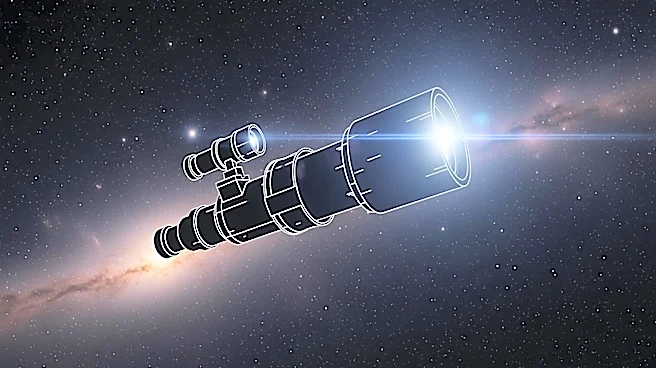
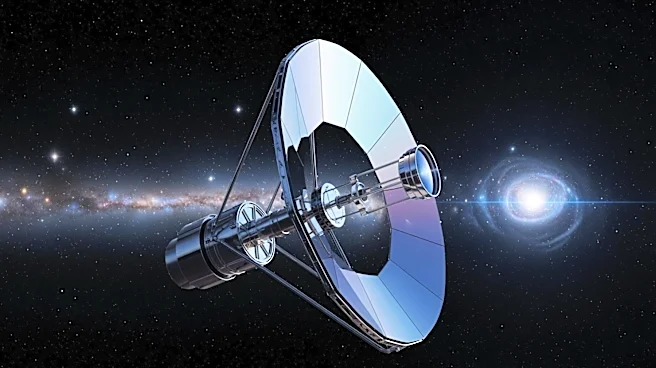
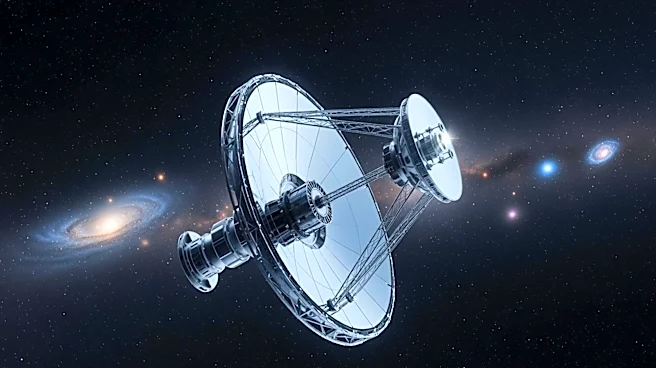
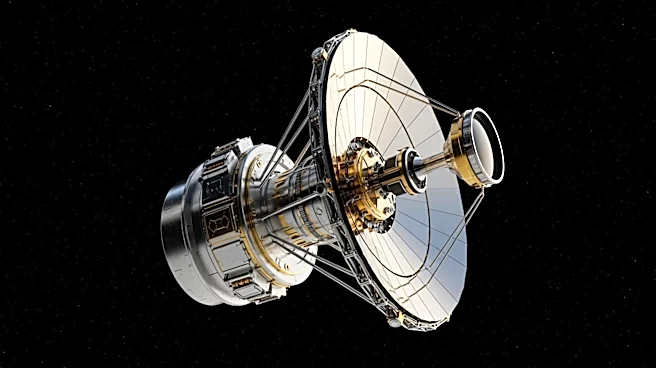
NASA's Nancy Grace Roman Space Telescope is set to launch in September, eight months ahead of schedule and under budget. The telescope, named after a key figure in the planning of the Hubble Space Telescope, is designed for wide-field views and a massive
imaging system capable of sending 1.4 terabytes of data to Earth daily. Unlike its predecessors, the Roman Telescope will focus on infrared astronomy, which is challenging from Earth due to atmospheric absorption. The project benefited from surplus spy satellite hardware provided by the National Reconnaissance Office, allowing NASA to enhance the telescope's capabilities significantly.
Why It's Important?
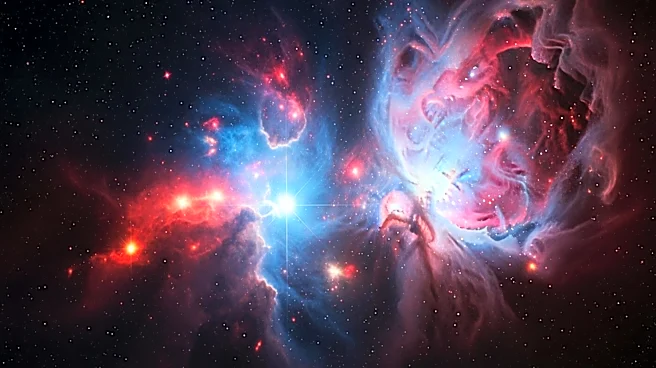
The early and cost-effective launch of the Roman Telescope represents a significant achievement for NASA, potentially setting a precedent for future projects. Its advanced capabilities in infrared astronomy will enable scientists to explore phenomena such as the early universe's structure and exoplanet atmospheres. This could lead to groundbreaking discoveries in understanding the cosmos and Earth's place within it. The project's success also highlights the benefits of inter-agency collaboration, as seen with the repurposing of spy satellite hardware, which could inspire similar partnerships in the future.
What's Next?
Following its launch, the Roman Telescope will undergo a 90-day commissioning period before beginning its scientific operations. It is expected to provide valuable data that could influence future space exploration missions and scientific research. The telescope's findings may prompt further studies and potentially lead to new missions aimed at exploring the universe's mysteries. Additionally, the project's success may encourage NASA to adopt similar strategies for upcoming projects, focusing on efficiency and collaboration.