






What's Happening?
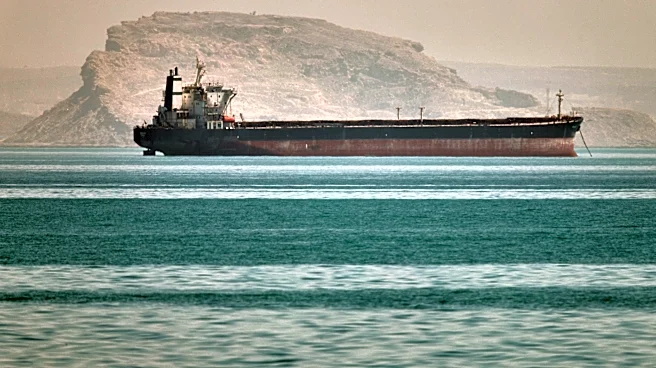
Norwegian energy company Equinor has experienced a significant increase in demand for its energy exports following the outbreak of conflict in Iran, which has disrupted petroleum and liquefied natural gas (LNG) exports from the Gulf. The closure of the Strait
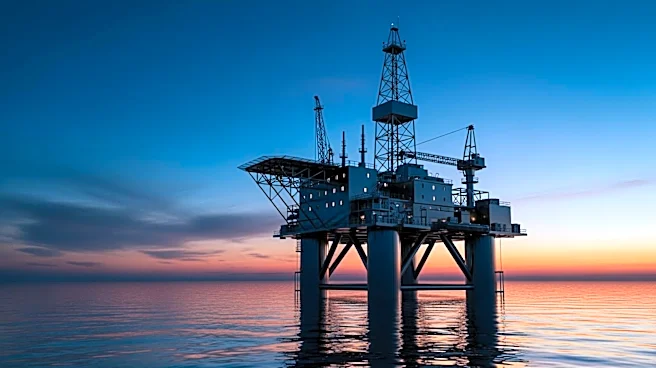
of Hormuz, a critical chokepoint for energy exports, has led to a loss of 12 million barrels of oil per day, affecting global supply chains. Equinor, Europe's largest oil and gas producer, reported its highest quarterly earnings in three years, driven by increased output and rising petroleum prices. The company has seen heightened interest from customers in Asia, with some reaching out more frequently to secure energy supplies. Equinor has also shipped gasoline to Australia and received increased LNG inquiries from Indian fertilizer producers.
Why It's Important?
The surge in demand for Equinor's energy exports underscores the global ripple effects of the Iran conflict on energy markets. As Gulf exports are curtailed, countries are seeking alternative suppliers to meet their energy needs, highlighting the strategic importance of diversified energy sources. This situation benefits Equinor financially, as it capitalizes on higher prices and increased demand. However, it also reflects broader vulnerabilities in global energy security, where geopolitical tensions can lead to significant supply disruptions. The increased reliance on non-Gulf energy sources may prompt countries to reassess their energy strategies and seek more stable and diversified supply chains.
What's Next?
Equinor is likely to continue optimizing its shipping operations to meet the rising demand, despite increased shipping costs. The company may explore further expansion into Asian markets, given the sustained interest from the region. On a broader scale, the ongoing conflict in Iran could lead to prolonged disruptions in Gulf energy exports, prompting other energy producers to fill the gap. This shift may influence global energy policies, with countries potentially investing more in renewable energy sources to reduce dependency on geopolitically sensitive regions.