





What's Happening?
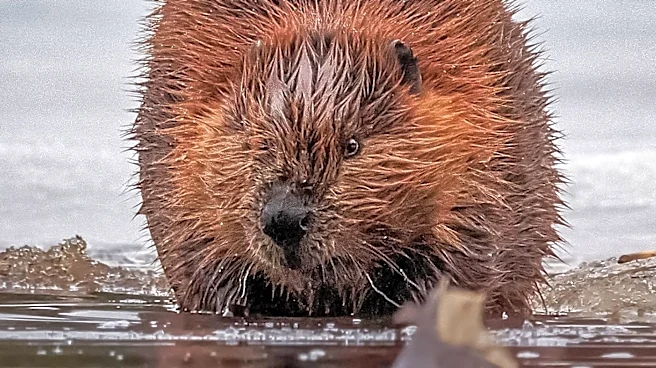
Maryland health officials are advising residents on how to stay safe from rabid animals after three beaver attacks occurred in less than a month, with two of the beavers later confirmed to be rabid. The incidents took place at Cunningham Falls State Park
in Frederick County and Seneca Creek State Park in Montgomery County. The victims, a ten-year-old girl, a 13-year-old boy, and a 19-year-old man, are all reported to be in stable condition. Dr. Natalie Zimmerman, a veterinarian at Second Chance Wildlife Center, explained that rabies cases typically spike in late summer as young mammals leave their parents and become more exposed to other animals. While bats, skunks, and raccoons are commonly associated with rabies, any mammal can carry the disease, and outbreaks can cluster among specific species. Zimmerman emphasizes that awareness and caution are the best defenses, advising people to leave wildlife undisturbed. If bitten by an animal, especially one suspected of being rabid, individuals should seek immediate medical attention for post-exposure vaccination, which is 100% effective if administered before symptoms appear.
Why It's Important?
The recent cluster of rabid beaver attacks in Maryland highlights a significant public health concern, particularly for residents and visitors engaging in outdoor activities. Rabies is a fatal disease if left untreated, making prompt medical attention after an animal bite crucial. The incidents underscore the importance of public awareness regarding wildlife behavior and the risks associated with approaching or feeding wild animals. The advice from veterinary experts, such as Dr. Zimmerman, serves to educate the public on preventative measures, including keeping pets up-to-date on rabies vaccinations, which are legally required in Maryland, DC, and Virginia. This situation also brings attention to the ecological role of animals like beavers, reminding the public that while rabid animals pose a threat, beavers are vital to ecosystems. The increase in cases during late summer suggests a seasonal pattern that public health campaigns can target to enhance safety during peak risk periods.
What's Next?
As the weather cools, the number of rabies cases is expected to decrease, according to Dr. Zimmerman. However, public health officials will likely continue to monitor wildlife populations for signs of rabies and issue advisories as needed. Residents are encouraged to remain vigilant, avoid contact with wild animals, and ensure their pets' rabies vaccinations are current. Local health departments will continue to be a resource for individuals who have been bitten or have concerns about potential rabies exposure. Educational campaigns may be reinforced to remind the public about the dangers of rabies and the necessary steps to take if an encounter with a potentially rabid animal occurs. The incidents may also prompt state park authorities to review and update their wildlife interaction guidelines and signage to further protect visitors.
Beyond the Headlines
The occurrence of rabid beaver attacks in Maryland, while seemingly isolated, points to broader ecological and public health dynamics. The seasonal spike in rabies cases among mammals, particularly juveniles, highlights the natural cycles of disease transmission within wildlife populations. This situation underscores the delicate balance between human activity and natural ecosystems; as human populations expand and encroach on wildlife habitats, interactions with wild animals become more frequent, increasing the potential for zoonotic disease transmission. Ethically, there's a responsibility to manage public safety while also respecting wildlife and their habitats. The emphasis on vaccination for pets reflects a 'One Health' approach, recognizing the interconnectedness of human, animal, and environmental health. The long-term implication is the need for ongoing public education, robust wildlife monitoring, and effective public health infrastructure to mitigate risks from wildlife diseases, ensuring both human safety and ecological well-being.