






What's Happening?
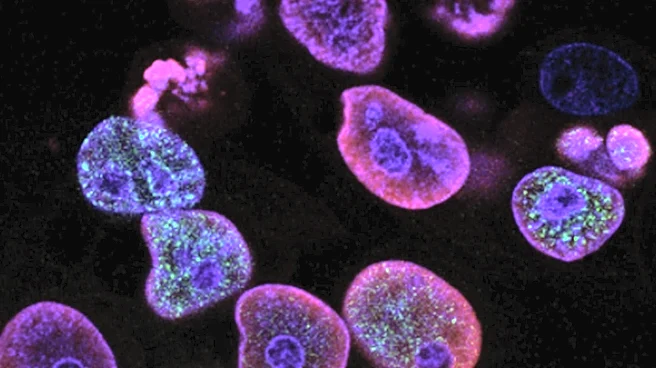
Researchers at the University of Arizona have developed an experimental drug, XL20, which shows promise in slowing the progression of ALS, a neurodegenerative disease. The drug targets a specific region of the TDP-43 protein, which is implicated in nearly
all ALS cases. By binding to this region, XL20 reduces nerve cell death without affecting the protein's normal function. In animal studies, the drug extended survival and reduced muscle weakness, while in human cell tests, it reversed some disease-like damage. This approach may also benefit other TDP-43-linked dementias, including certain Alzheimer's cases.
Why It's Important?
The development of XL20 represents a significant advancement in ALS research, offering hope for a disease that currently has no cure. By targeting a specific protein region, the drug could potentially slow disease progression and improve quality of life for patients. This research underscores the importance of early detection and treatment in neurodegenerative diseases. If successful, XL20 could pave the way for similar treatments for other conditions linked to TDP-43, broadening its impact on neurodegenerative disease management.
What's Next?
Further clinical trials are needed to confirm XL20's efficacy and safety in humans. If successful, the drug could become a critical component of ALS treatment, potentially extending to other related dementias. The University of Arizona's research may attract additional funding and collaboration opportunities, accelerating the development of similar therapies. The broader implications for neurodegenerative disease treatment could lead to new strategies and drug targets, influencing future research directions.