





What's Happening?
The Trump administration has once again approached the U.S. Supreme Court, seeking intervention to implement President Trump's plan for the U.S. Postal Service to impose new nationwide restrictions on mail voting ahead of the upcoming November midterm
elections. This request follows a second ruling by U.S. District Judge Indira Talwani, which blocked the Postal Service's plan from proceeding. The administration argues that the lower court's decisions, if not overturned, will prevent the government from implementing the changes in time, potentially causing irreparable harm to election integrity. California Attorney General Rob Bonta, along with 22 other states, has opposed the plan, arguing that it comes too late in the election cycle and could disrupt voting processes. The legal battle centers around an executive order issued by President Trump in March, which mandates the Postal Service to verify voter eligibility through state-specific lists before transmitting mail-in ballots.
Why It's Important?
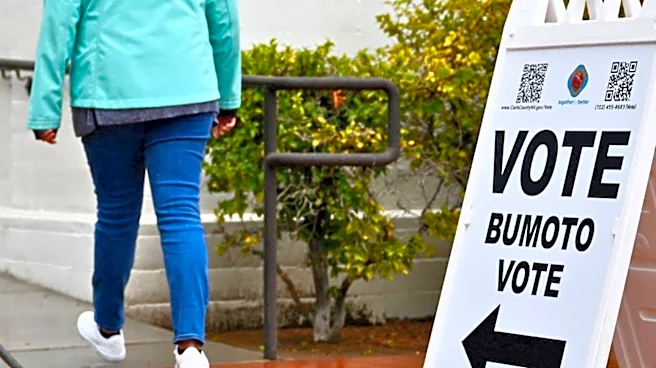
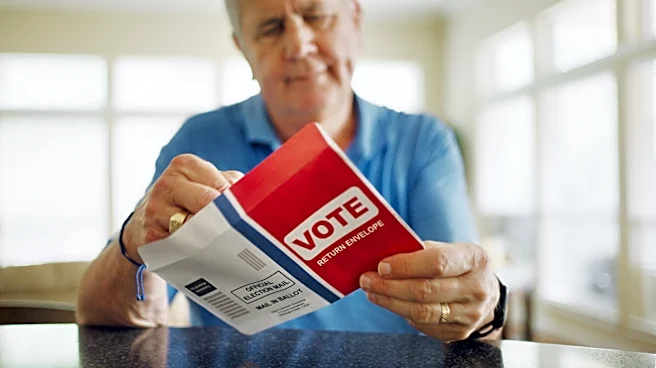
The outcome of this legal battle could significantly impact the administration of mail voting in the upcoming midterm elections, affecting millions of voters who rely on this method, particularly those with disabilities and in rural areas. The Trump administration's push for these changes is part of a broader effort to address alleged voter fraud, a claim that has been widely disputed. The case raises critical questions about federal versus state control over election processes, with potential implications for future elections. If the Supreme Court sides with the Trump administration, it could set a precedent for increased federal involvement in state-run elections, potentially altering the balance of power and affecting voter access.
What's Next?
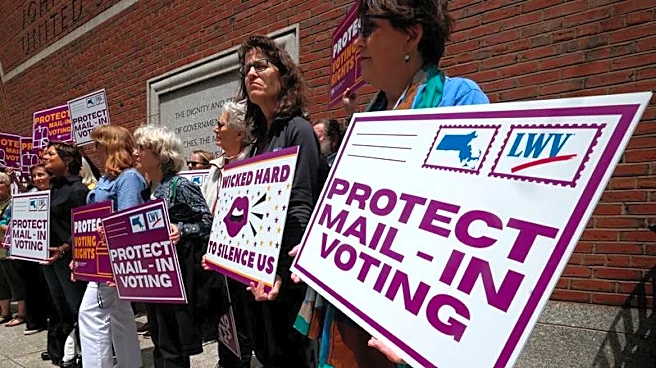
The Supreme Court's decision on this matter is awaited with urgency due to the proximity of the midterm elections. A ruling in favor of the Trump administration could lead to the rapid implementation of the proposed changes, while a decision against it would uphold the lower court's block, maintaining the status quo. The case is likely to draw significant attention from voting rights groups, political leaders, and the public, as it touches on fundamental issues of election integrity and voter access. The League of Women Voters and other advocacy groups have already expressed their support for the lower court's decision, emphasizing the importance of adhering to constitutional and legal standards in election administration.