









What's Happening?
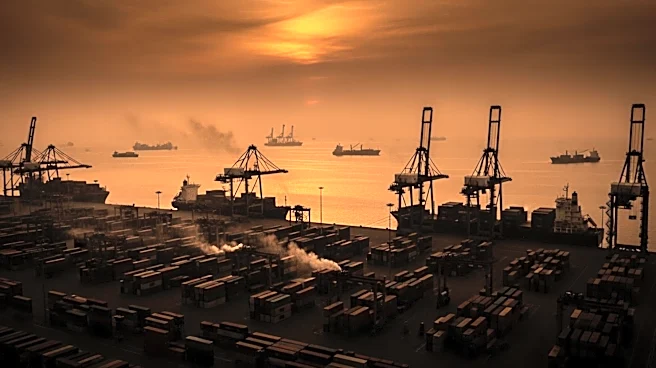
Ukrainian forces have rendered the Russian-occupied port of Mariupol inoperable following a series of strikes. The attacks targeted critical infrastructure, including electrical substations, radar equipment, and fuel storage tanks, disrupting Russian military
logistics in the region. The port, a key logistics hub for Russian operations in southern Ukraine, has been used to transport military cargo. The operation was conducted in coordination with Ukraine's Security Service and Unmanned Systems Forces, highlighting a strategic effort to weaken Russian supply lines.
Why It's Important?
The disabling of the Mariupol port represents a significant blow to Russian military logistics, potentially hindering operations in southern Ukraine. By targeting key infrastructure, Ukrainian forces are strategically disrupting Russian supply chains, which could impact the broader conflict dynamics. This development underscores Ukraine's capability to conduct effective strikes on critical targets, potentially shifting the balance of power in the region. The operation also reflects Ukraine's ongoing efforts to reclaim occupied territories and challenge Russian control.
What's Next?
The disruption of the Mariupol port may force Russian forces to seek alternative logistics routes, potentially complicating their operations. Ukrainian forces are likely to continue targeting key infrastructure to further strain Russian capabilities. The situation could lead to increased military activity and further escalation in the region, with potential implications for the broader conflict. The international community may also respond to these developments, influencing diplomatic and military strategies.