





What's Happening?
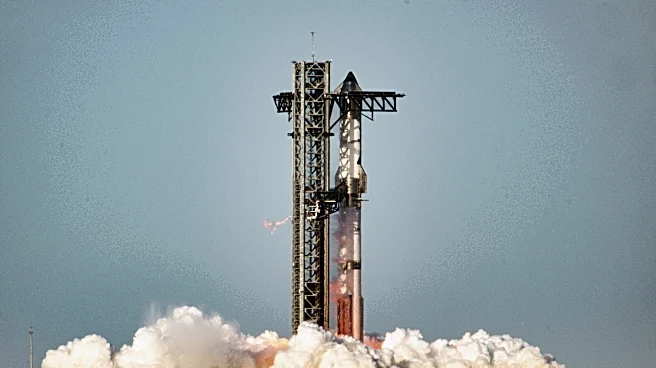
SpaceX is preparing for Starship Flight 15, aiming for a significant milestone: the simultaneous return and catch of both the Super Heavy booster and the Starship upper stage. This mission, tentatively scheduled for November, follows extensive testing,
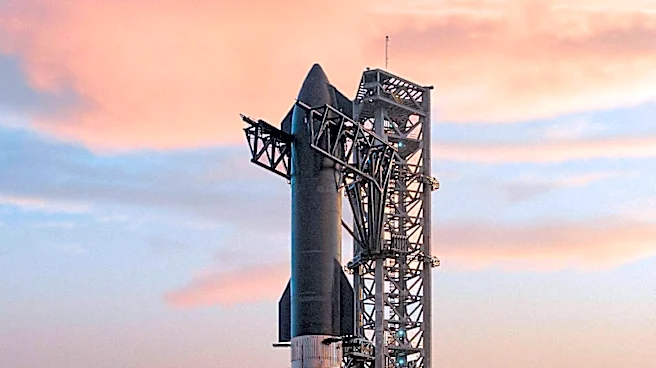
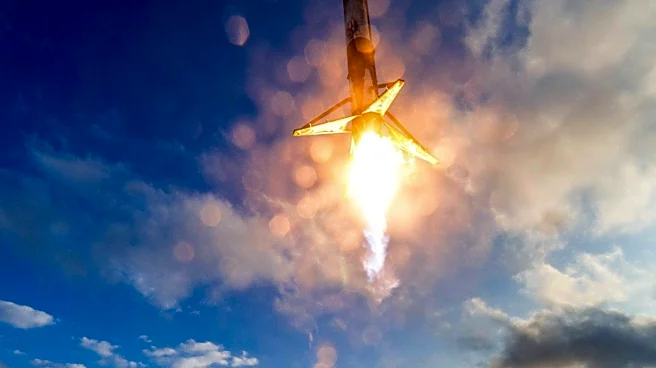
including a full-duration static-fire test of the Super Heavy Booster 22 on October 25, where all 33 Raptor engines fired for approximately 15 seconds. The Starship Ship 42 upper stage has also completed its engine tests and is undergoing final preparations. A key regulatory hurdle is obtaining approval from the U.S. Federal Aviation Administration (FAA) for the dual-stage return and catch. SpaceX President and Chief Operating Officer Gwynne Shotwell indicated in October that the company anticipates receiving this license. The primary objective is to demonstrate the ability to guide both components back to Starbase, with the booster being caught by the launch tower's mechanical arms, known as 'chopsticks,' and the Starship upper stage performing a controlled reentry and precise approach for a similar catch. This would mark a substantial step towards a fully reusable launch system, building on previous successful booster catches and Starship's controlled ocean splashdowns.
Why It's Important?
The success of Starship Flight 15 would represent a pivotal advancement in aerospace technology, significantly impacting the future of space travel and satellite deployment. Achieving a dual-stage catch would demonstrate a critical capability for full reusability, which is central to SpaceX's strategy for drastically reducing launch costs and increasing launch frequency. This breakthrough could accelerate the deployment of large satellite constellations like Starlink, making global internet access more widespread and affordable. Furthermore, Starship's development is integral to NASA's Artemis lunar program, as a modified version of the upper stage is slated to serve as a lunar lander. Proving the ability to return and reuse both stages is a necessary precursor to more complex missions, including propellant transfer in orbit, which is essential for deep-space exploration. The mission's outcome will influence investor confidence in SpaceX's long-term vision, particularly as the company balances its operational successes with significant capital investments in projects like its AI infrastructure.
What's Next?
The immediate next steps for SpaceX involve securing the necessary regulatory approvals from the FAA and ensuring the readiness of both the Super Heavy Booster 22 and Starship Ship 42. The launch schedule remains contingent on these factors, with November being the target. Following the launch, the focus will be on the execution of the complex dual-stage return and catch maneuvers. A successful mission would likely lead to further testing aimed at demonstrating rapid reusability, including quick inspection, refurbishment, and relaunch capabilities. SpaceX also plans to test in-orbit propellant transfer in future flights, a technology crucial for extended missions to the Moon and Mars. The data collected from Flight 15 will inform subsequent design iterations and operational procedures. The company's long-term goal, as articulated by Elon Musk, is to achieve weekly Starship flights by the first half of 2027, escalating to twice-weekly flights in the latter half, transitioning Starship from a development program to a high-cadence operational system.
Beyond the Headlines
Beyond the immediate technical achievements, the success of Starship Flight 15 has profound implications for the broader space industry and national space policy. A fully reusable, rapidly deployable launch system could democratize access to space, enabling a wider range of commercial, scientific, and defense applications. This could foster innovation in areas such as in-orbit manufacturing, space tourism, and asteroid mining. The ability to significantly lower launch costs could also shift geopolitical dynamics in space, potentially giving the U.S. a substantial advantage in space exploration and utilization. Ethically, the increased frequency of launches and the potential for large-scale space infrastructure raise questions about orbital debris management and the long-term sustainability of space environments. The mission also highlights the ongoing tension between ambitious technological development and regulatory oversight, as the FAA's approval process plays a critical role in balancing innovation with safety and environmental considerations. The outcome will be closely watched by international competitors and collaborators alike, shaping the future trajectory of global space endeavors.