

What's Happening?
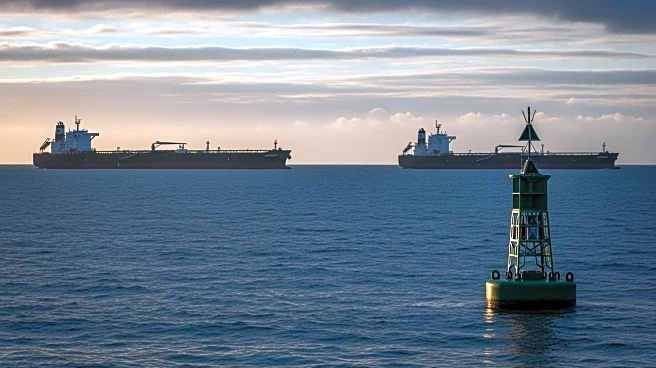
Despite the UK government's pledge to take 'assertive action' against Russian oil tankers, dozens of sanctioned vessels have been navigating the English Channel. These tankers are part of Russia's 'shadow fleet,' which uses obscured ownership and false
flags to evade sanctions. The UK had received legal assurances that such vessels could be detained, yet 42 sanctioned tankers have passed through the Channel this month. Among them is the Sofos, a tanker sanctioned by the UK in 2025, which has been moving oil from Russia to various destinations. The UK Foreign Secretary has stated the government's readiness to tighten measures against these vessels, but no independent seizures have been made by British forces.
Why It's Important?
The movement of these tankers through the Channel underscores the challenges faced by the UK and its allies in enforcing sanctions against Russia. The shadow fleet allows Russia to continue exporting oil, providing a financial lifeline amid Western sanctions. This situation highlights the need for more effective enforcement mechanisms and international cooperation to ensure that sanctions are not merely symbolic. The ability of these tankers to operate with impunity could undermine the economic pressure intended to deter Russia's actions in Ukraine.
What's Next?
The UK government may face increased pressure to take more decisive action against the shadow fleet. This could involve closer collaboration with international partners to monitor and intercept these vessels. The situation may also prompt a review of legal frameworks and enforcement strategies to address the loopholes exploited by the shadow fleet. The ongoing developments will be critical in determining the effectiveness of sanctions as a tool for international policy.