
What's Happening?
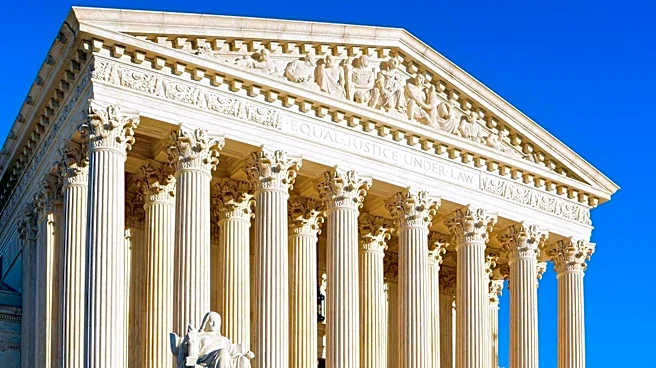
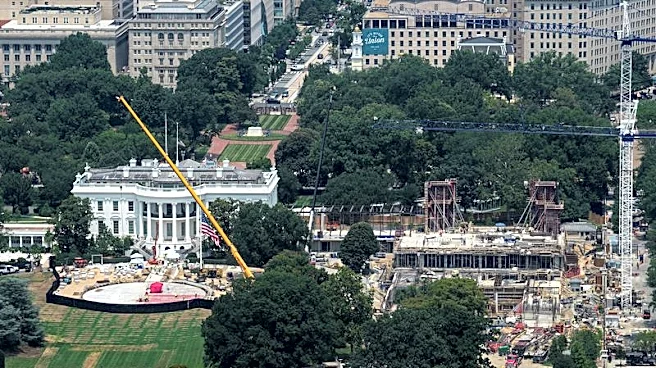
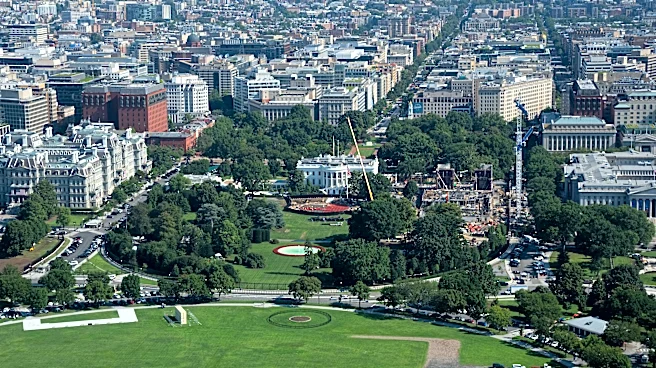
President Trump's administration has filed an emergency application with the Supreme Court to continue construction on a $400 million White House ballroom project, after a federal appeals court blocked aboveground work. The administration is characterizing
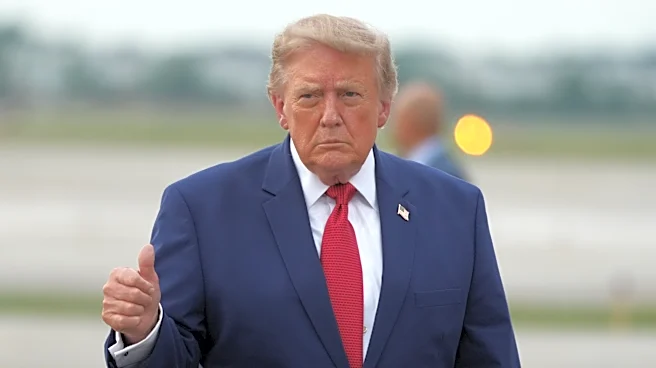
the 90,000-square-foot project not merely as an event space but as an 'integrated national security complex.' Joint Chiefs Chairman General Dan Caine has publicly supported this view, calling the ballroom a 'valid military requirement' essential for presidential protection and command-and-control capabilities. Secretary of State Marco Rubio also issued a statement, shared by President Trump, arguing for the project's necessity for both security and diplomacy, noting that major foreign dignitaries are currently hosted in temporary tents with 'unsafe and unsanitary portable bathrooms.' President Trump has strongly criticized the preservation group, National Trust for Historic Preservation, which challenged the project, labeling its members 'TREASONISTS' and accusing them of revealing 'Top Military Secrets.' The administration's Solicitor General D. John Sauer informed the court that the project is already 65% complete and halting construction would impede security improvements.
Why It's Important?
This legal battle reaching the Supreme Court underscores a significant conflict between executive authority, national security claims, and historic preservation. The administration's re-characterization of the ballroom as a 'military complex' raises questions about the scope of presidential power in justifying large-scale construction projects and the potential for national security pretexts to bypass traditional oversight. The involvement of high-ranking military and diplomatic officials like General Dan Caine and Secretary of State Marco Rubio in defending the project highlights the administration's commitment to this narrative. The outcome of this Supreme Court appeal could set a precedent for future presidential construction initiatives and the interpretation of congressional authorization for such projects. Furthermore, President Trump's strong rhetoric against the preservation group reflects a broader tension between development and the protection of national landmarks, potentially polarizing public opinion and influencing the role of advocacy groups in challenging government actions.
What's Next?
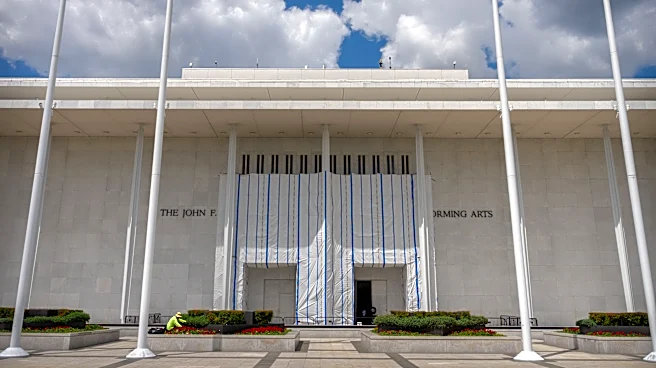
Chief Justice John Roberts has requested a response from the National Trust for Historic Preservation by Tuesday regarding the administration's emergency application. The Supreme Court will then decide whether to allow construction to proceed while the broader legal dispute over President Trump's authority to undertake the project continues. Concurrently, another related controversy involves the Trump-controlled Kennedy Center board, which has again voted to add President Trump's name to the performing arts complex and rename the surrounding grounds 'President Donald J. Trump Plaza.' These new plans must be presented to a federal judge who previously blocked similar efforts, indicating ongoing legal challenges to President Trump's efforts to reshape Washington's landmarks. The decisions from both the Supreme Court and the federal judge will determine the immediate future of these high-profile construction and naming initiatives.
Beyond the Headlines
The ongoing dispute over the White House ballroom project and the Kennedy Center naming reflects a deeper struggle over the legacy and symbolism of national institutions. By framing the ballroom as a 'military complex,' the administration is attempting to elevate its importance beyond a mere event space, potentially influencing public perception and legal arguments. This approach could have long-term implications for how future presidential projects are conceived, justified, and scrutinized. The use of terms like 'TREASONISTS' against a preservation group also highlights the increasing polarization of political discourse and the challenges faced by civil society organizations in advocating for their causes. This situation could lead to a re-examination of the balance between executive power, judicial review, and the public's interest in preserving historical and cultural heritage, potentially shaping future debates on urban development and national identity in Washington D.C.