



What's Happening?
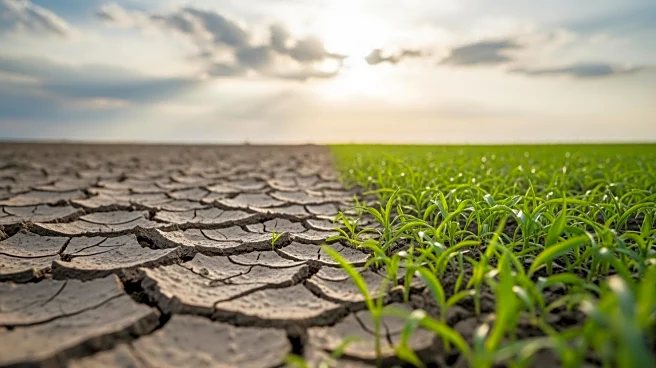
The Turkmen Ministry of Agriculture, in collaboration with the Food and Agriculture Organization (FAO), has launched a new project aimed at restoring land resources in ecosystems severely affected by climate change across Central Asia. This initiative
was formalized during the international conference on Health and Nutrition in the Context of Climate Change, held on January 22 in Ashgabat. The project underscores the increasing regional concern over issues such as land degradation, desertification, and food security risks linked to climate change. Turkmenistan, a member of the FAO since 1995, has progressively deepened its cooperation with the organization, participating in regional programs and initiatives. A significant milestone in this partnership was the country's involvement in the FAO-Türkiye Partnership Programme from 2009 to 2015, which focused on enhancing cotton production and mechanizing harvesting processes. The recent agreement also includes the establishment of a FAO representative office in Turkmenistan, further expanding technical assistance and cooperation.
Why It's Important?
This project is crucial as it addresses the pressing issue of climate change and its impact on land resources in Central Asia, a region particularly vulnerable to environmental changes. By focusing on sustainable land management and climate resilience, the initiative aims to mitigate the adverse effects of climate change, thereby enhancing food security and environmental sustainability. The collaboration between Turkmenistan and the FAO represents a strategic effort to bolster regional stability and economic development through improved agricultural practices and resource management. This partnership could serve as a model for other nations facing similar challenges, highlighting the importance of international cooperation in addressing global environmental issues.
What's Next?
The establishment of a FAO representative office in Turkmenistan marks a significant step forward in the country's efforts to enhance technical assistance and cooperation with international organizations. This development is expected to facilitate the implementation of the new project and other related initiatives, providing a framework for ongoing collaboration. As the project progresses, it will likely attract attention from other Central Asian countries, potentially leading to broader regional cooperation in combating climate change. The success of this initiative could also influence policy decisions and resource allocation in Turkmenistan and beyond, emphasizing the need for sustainable development practices.