








What's Happening?
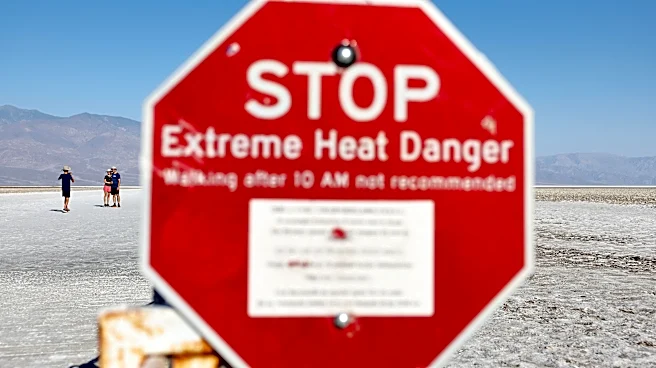
As extreme heat warnings and advisories blanket large areas of the Midwest and Eastern U.S., experts are emphasizing the importance of heat safety. The National Weather Service has issued these warnings due to the potential health risks posed by high
temperatures. Heat-related illnesses, such as heatstroke, can lead to severe health complications, including organ failure and heart attacks. Experts recommend several precautions for those planning to spend time outdoors. These include assessing personal heat risk, staying hydrated, wearing appropriate clothing, and avoiding the midday sun. Special attention is advised for vulnerable groups, such as infants, the elderly, and those with chronic health conditions. Medications can also increase susceptibility to heat-related illnesses, necessitating careful management and consultation with healthcare providers.
Why It's Important?
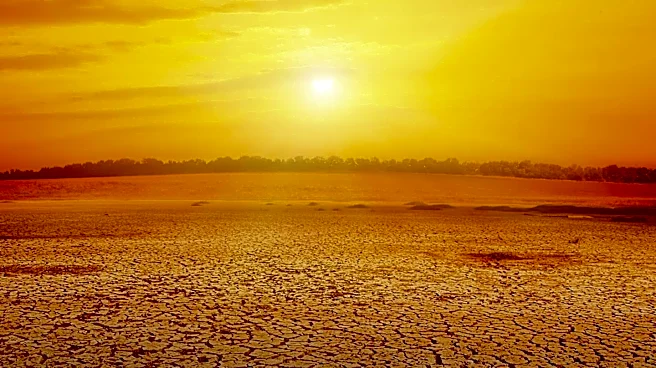
The significance of these heat advisories lies in their potential impact on public health and safety. Heat-related illnesses claim hundreds of lives annually in the U.S., making awareness and preventive measures crucial. Vulnerable populations, including the elderly and those with pre-existing health conditions, are at heightened risk. The economic implications are also notable, as heatwaves can strain healthcare systems and affect productivity, particularly for outdoor workers. Understanding and mitigating these risks can help reduce the incidence of heat-related health issues and associated costs. Additionally, the advisories highlight the broader context of climate change, which is expected to increase the frequency and intensity of heatwaves, necessitating long-term adaptation strategies.
What's Next?
Looking ahead, individuals and communities are encouraged to stay informed about local heat advisories and to implement recommended safety measures. Public health officials may increase outreach efforts to educate the public on heat safety. There may also be a push for infrastructure improvements, such as cooling centers and urban greening, to mitigate the effects of extreme heat. Policymakers could consider regulations to protect outdoor workers and vulnerable populations during heatwaves. As climate change continues to influence weather patterns, ongoing research and policy development will be essential to address the challenges posed by rising temperatures.
Beyond the Headlines
Beyond immediate health concerns, the increasing frequency of heatwaves raises questions about urban planning and environmental justice. Low-income communities often lack access to air conditioning and green spaces, exacerbating their vulnerability to heat. This highlights the need for equitable resource distribution and infrastructure development. Additionally, the psychological impact of extreme heat, including increased stress and mental health issues, warrants attention. Long-term strategies to combat climate change and its effects on weather patterns are critical to reducing the occurrence and severity of heatwaves.