



What's Happening?
A strong El Niño is rapidly developing over the tropical Pacific Ocean, with predictions indicating it could reach record strength by late autumn and early winter. This phenomenon, characterized by above-average ocean surface temperatures, is already
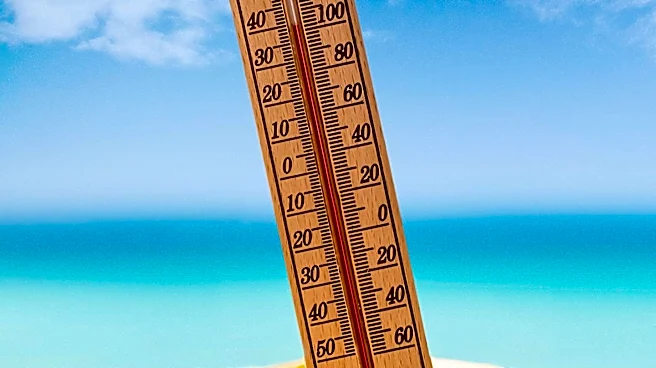
influencing atmospheric circulation patterns. While El Niño's immediate impact is typically more pronounced in regions closer to the Pacific, its effects on Europe are expected to manifest with a delay, influenced by other atmospheric factors. Currently, a high-pressure area over northern Europe is intensifying heat in the western part of the continent, while the east and northeast experience average or below-average temperatures. As August progresses, a shift is anticipated, with low pressure expected over northern Europe and high pressure dominating central, southern, and southeastern regions, leading to above-average warmth and dry conditions.
Why It's Important?
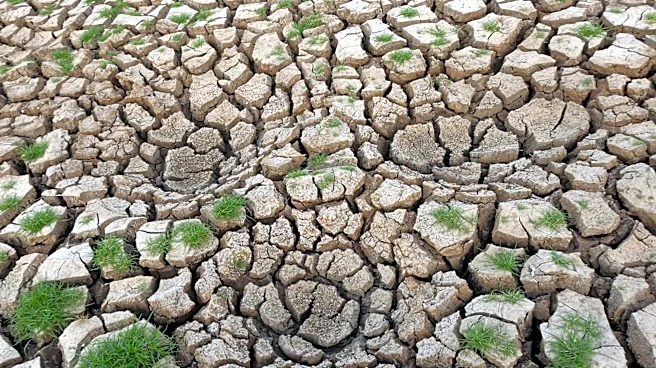
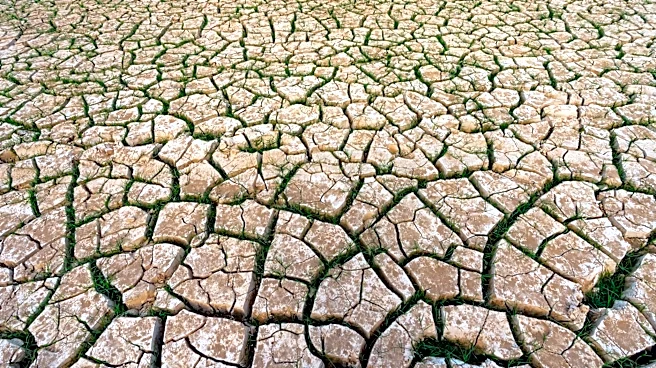
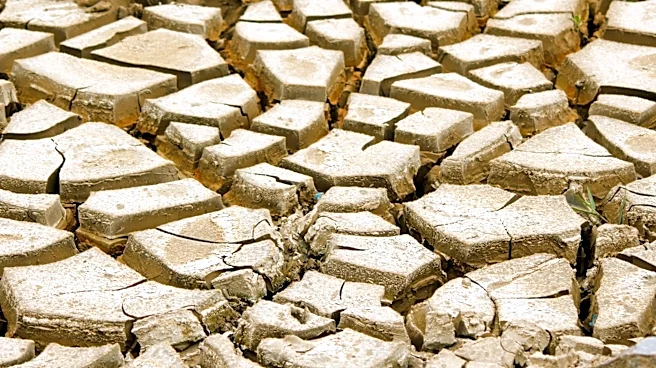
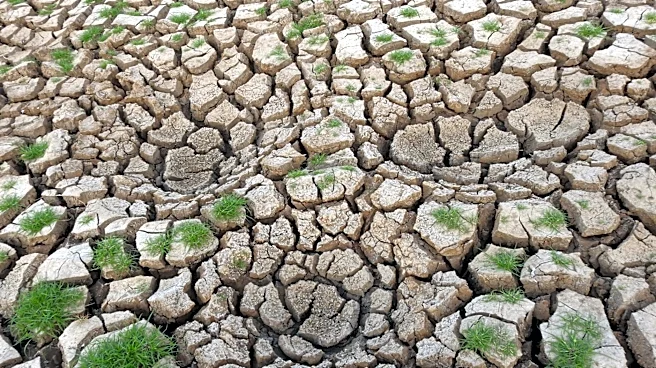
The intensifying El Niño could have significant implications for weather patterns across Europe, potentially leading to prolonged heatwaves and dry conditions in many areas. This could exacerbate existing challenges related to water scarcity and agricultural productivity, impacting food supply and economic stability. Additionally, the shift in weather patterns could influence energy demand, particularly in regions reliant on hydropower or facing increased cooling needs. The broader impact of El Niño on global weather systems underscores the interconnectedness of climate phenomena and the need for adaptive strategies to mitigate adverse effects on societies and economies.
What's Next?
As El Niño continues to develop, meteorologists and climate scientists will closely monitor its progression and potential impacts on global weather patterns. In Europe, the anticipated shift in atmospheric conditions could lead to a temporary reprieve from extreme heat in some regions, while others may continue to experience elevated temperatures. Policymakers and industry leaders may need to consider contingency plans to address potential disruptions in agriculture, water supply, and energy demand. The evolving situation highlights the importance of international cooperation and data sharing to enhance predictive capabilities and resilience against climate-related challenges.