



What's Happening?
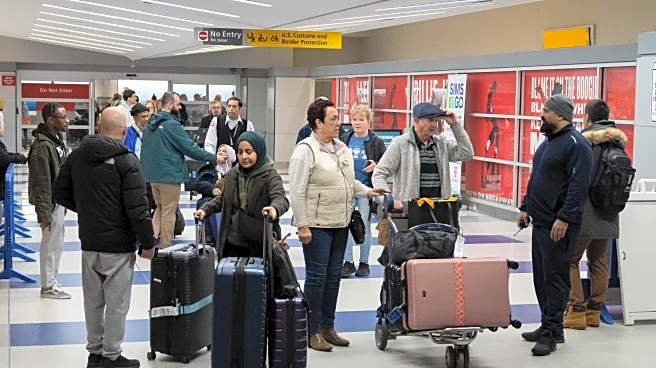
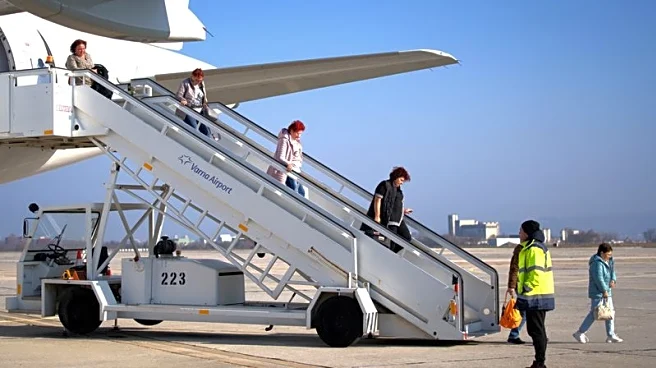
Qatar Airways is conducting repatriation flights from Muscat, Oman, to various European destinations as its home airspace remains closed due to regional tensions. The airline is prioritizing passengers with urgent needs, including families and those requiring
medical attention. This development comes as the Middle East faces significant disruptions in air travel following strikes by the US and Israel on Iran. Muscat has become a crucial hub for these operations, with Oman Airports facilitating the increased traffic by operating 24/7 and expediting regulatory approvals for new airlines. The UAE has partially reopened its airspace, but operations remain limited. Meanwhile, British Airways and other airlines are also conducting flights from Muscat to support repatriation efforts.
Why It's Important?
The repatriation flights by Qatar Airways highlight the critical role of Muscat as a temporary aviation hub in the Middle East amidst regional airspace closures. This situation underscores the strategic importance of Oman in facilitating international travel during crises. The disruptions have significant implications for global travel, affecting passengers and airlines worldwide. The ability of Oman to maintain open airspace and support increased flight operations is vital for ensuring connectivity and aiding stranded travelers. This development also reflects the broader geopolitical tensions in the region, impacting international relations and travel policies.
What's Next?
As the situation evolves, airlines and governments will continue to monitor regional tensions and adjust their operations accordingly. The partial reopening of UAE airspace suggests a gradual return to normalcy, but full recovery will depend on the geopolitical climate. Airlines may need to explore alternative routes and hubs to maintain connectivity. The role of Oman as a mediator in regional conflicts could influence future diplomatic efforts and air travel policies. Stakeholders, including airlines and governments, will likely engage in discussions to enhance crisis management strategies and ensure passenger safety.