






What's Happening?
Various international organizations are emphasizing the importance of case management skills in humanitarian efforts. The International Rescue Committee (IRC) and other agencies are focusing on providing comprehensive case management support to vulnerable
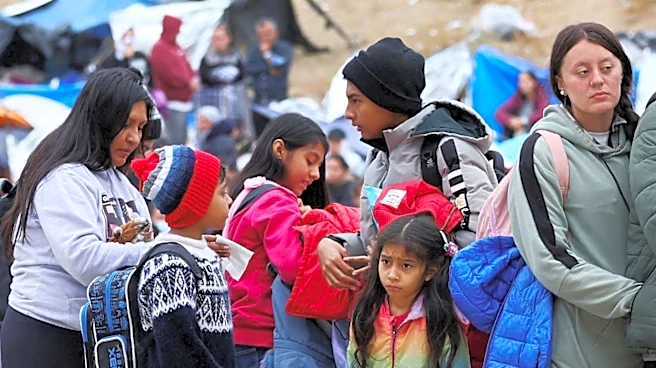
populations, including victims of human trafficking and those affected by conflict. These efforts involve assessing needs, developing individualized plans, and coordinating support services. The IRC, for instance, is actively involved in delivering victim assistance and reintegration support in alignment with humanitarian principles. Other organizations, such as the International Organization for Migration (IOM) and the Norwegian Refugee Council (NRC), are also engaged in similar activities, providing support in areas like legal identity, social integration, and protection against trafficking.
Why It's Important?
The emphasis on case management skills is crucial for effectively addressing the complex needs of vulnerable populations in humanitarian settings. By providing tailored support and coordinating services, organizations can enhance the resilience and recovery of affected individuals. This approach is particularly important in regions experiencing conflict, displacement, or natural disasters, where the demand for comprehensive support is high. The focus on case management also aligns with broader humanitarian goals of promoting human rights, ensuring protection, and facilitating sustainable development. For the U.S., supporting these international efforts can strengthen global partnerships and contribute to stability in regions of strategic interest.
What's Next?
International organizations will continue to refine and expand their case management strategies to better serve vulnerable populations. This includes enhancing training programs for case managers, improving data collection and analysis, and fostering collaboration among stakeholders. As these efforts progress, organizations aim to develop more effective and efficient systems for delivering humanitarian assistance. The ongoing commitment to case management will likely lead to improved outcomes for individuals and communities, contributing to long-term recovery and development. Additionally, these efforts may inform policy and practice in other areas of humanitarian work, promoting innovation and best practices across the sector.