


What's Happening?
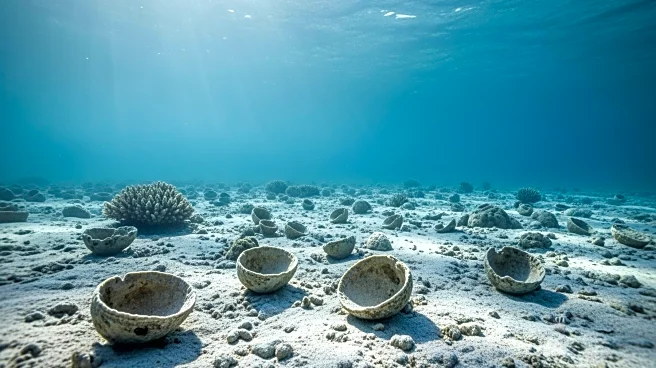
A recent study published in Nature Ecology & Evolution highlights the severe impact of chronic ocean heating on marine life. Researchers found that fish populations are declining by 7.2% for every 0.1°C increase in ocean temperature per decade. The study,
which analyzed 33,000 populations in the northern hemisphere from 1993 to 2021, indicates that while marine heatwaves can cause temporary population booms, they mask the long-term detrimental effects of ocean warming. The research underscores the vulnerability of marine ecosystems to temperature changes, exacerbated by fossil fuel pollution.
Why It's Important?
The findings of this study are crucial for understanding the broader implications of climate change on marine ecosystems. The decline in fish biomass due to ocean warming poses a significant threat to global fisheries, which are vital for food security and economic stability. The study warns that without intervention, the compounded effects of warming could lead to irreversible damage to marine biodiversity. This has potential consequences for industries reliant on marine resources and highlights the need for effective ocean governance and climate action.
What's Next?
The study suggests that immediate action is required to mitigate the effects of ocean warming. Policymakers and environmental organizations may need to prioritize strategies that address both overfishing and climate change to protect marine life. Further research could focus on developing adaptive management plans that consider the compounded effects of warming and overfishing. International cooperation will be essential to implement effective conservation measures and reduce greenhouse gas emissions.
Beyond the Headlines
The study also raises ethical and cultural considerations, as many coastal communities depend on marine resources for their livelihoods and cultural practices. The loss of marine biodiversity could disrupt traditional ways of life and exacerbate socio-economic inequalities. Additionally, the research highlights the need for a more comprehensive understanding of the interconnectedness of global ecosystems and the cascading effects of climate change.