






What's Happening?
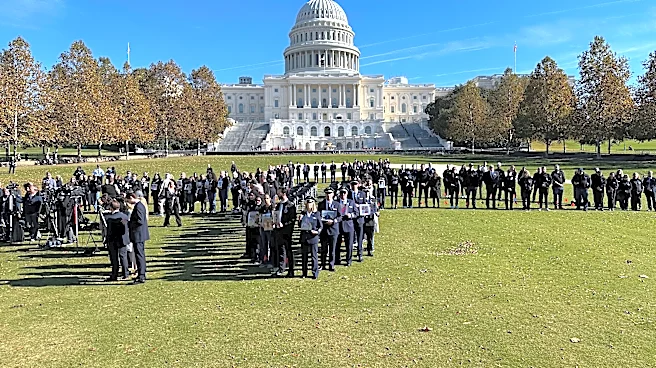
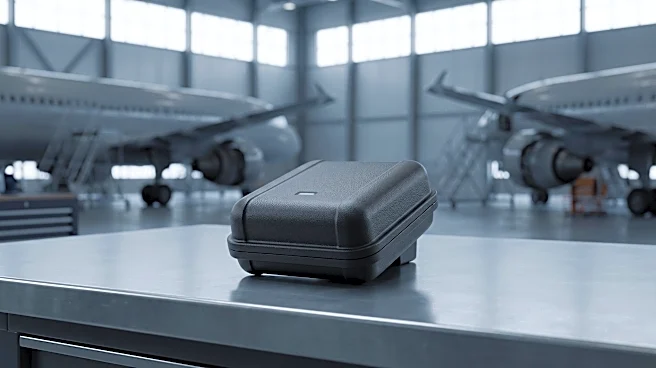
The U.S. Congress has reached an agreement to mandate locator devices on civilian planes. This decision comes after a tragic plane crash on January 29, 2025, which resulted in the deaths of five members of the University of Delaware skating community.
The new mandate aims to improve the ability to locate downed aircraft and their occupants, potentially aiding in rescue efforts and investigations. The agreement reflects a legislative response to a specific incident that highlighted a gap in aviation safety regulations for certain types of civilian aircraft. The details of the mandate, including the types of aircraft affected and the timeline for implementation, are expected to be outlined in the forthcoming legislation. This move signifies a bipartisan effort to enhance aviation safety standards across the country, directly addressing concerns raised by the recent tragedy.
Why It's Important?
This congressional mandate is significant for several reasons. Primarily, it represents a direct legislative action taken in response to a specific, high-profile tragedy, underscoring the impact of such events on public policy. The requirement for locator devices on civilian planes could drastically improve the speed and efficiency of search and rescue operations following an aviation incident. This could lead to a higher survival rate in crashes where occupants are initially alive but difficult to locate. Furthermore, the mandate could provide crucial data for accident investigators, helping to determine the causes of crashes and prevent future occurrences. For the aviation industry, this will mean new compliance requirements and potentially increased costs for aircraft owners and operators, particularly those with older planes that may need retrofitting. The families of crash victims and aviation safety advocates are likely to view this as a positive step towards greater accountability and safety in civilian air travel.
What's Next?
Following the agreement, the next step will be the formal drafting and passage of the legislation in both chambers of Congress. Once enacted, federal aviation authorities, such as the Federal Aviation Administration (FAA), will be tasked with developing and implementing specific regulations to enforce the mandate. This will involve defining the technical specifications for the locator devices, establishing a timeline for compliance, and outlining any exemptions or grace periods. Aircraft manufacturers will need to adapt their production lines, and existing aircraft owners will need to consider retrofitting their planes. There may be discussions and lobbying efforts from various aviation stakeholders regarding the scope and cost implications of the new rules. The public, particularly those involved in general aviation, will need to stay informed about the upcoming changes to ensure compliance and enhance safety.
Beyond the Headlines
Beyond the immediate safety implications, this mandate could spark broader discussions about the regulatory framework for civilian aviation, particularly for smaller aircraft that may not be subject to the same stringent requirements as commercial airliners. It highlights the ongoing tension between regulatory oversight and the desire for less burdensome rules for private pilots and aircraft owners. The incident and subsequent legislation may also prompt technological advancements in aircraft tracking and emergency beacon technology, as manufacturers innovate to meet the new standards. Ethically, the mandate reinforces the principle that public safety can sometimes necessitate increased regulation, even if it imposes costs on individuals or industries. This legislative action could serve as a precedent for future safety enhancements in other transportation sectors, demonstrating a proactive approach to preventing tragedies through technological integration and regulatory enforcement.