



What's Happening?
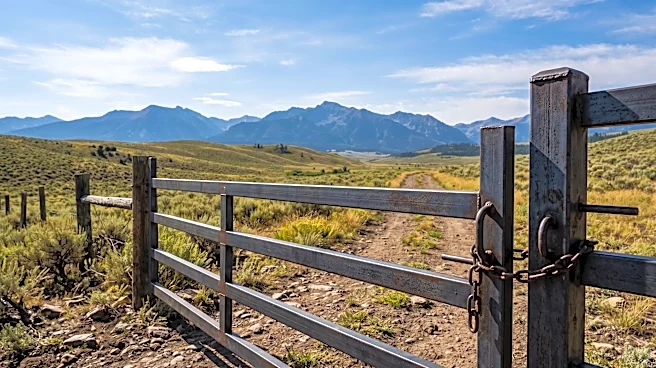
Interior Secretary Burgum has signed a Secretarial Order (SO) directing the Department of the Interior (DOI) and the Bureau of Land Management (BLM) to increase grazing access on public lands. This initiative aims to promote healthy rangelands, reduce
catastrophic wildfires, and support ranchers' efforts to rebuild the U.S. cattle herd. The National Cattlemen’s Beef Association (NCBA) and the Public Lands Council (PLC) have expressed support for the order, emphasizing its potential to improve range and pastureland health by utilizing vacant land. This order aligns with the October 2025 Grazing Action Plan and a DOI-U.S. Department of Agriculture Memorandum of Understanding, which sought to improve coordination between the departments for federal lands grazing programs. NCBA President-elect Kim Brackett highlighted that the order streamlines permitting processes, allowing ranchers to access previously neglected areas for conservation work. PLC President Ron Cerri noted that the order positions ranchers as partners in land management decisions, anticipating regulatory improvements from its components.
Why It's Important?
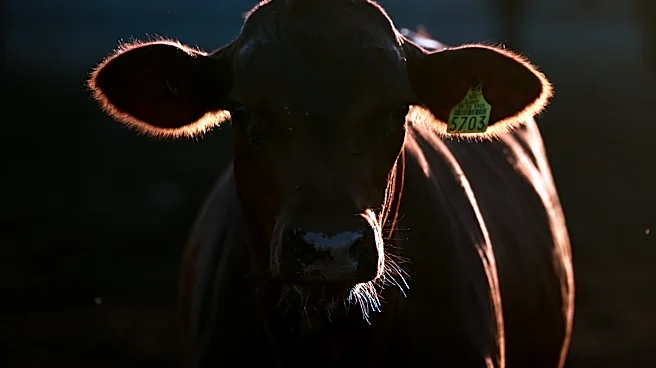
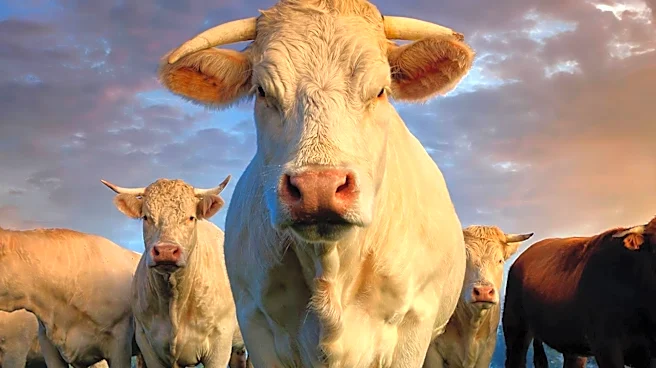
This Secretarial Order is significant for the U.S. cattle industry, which has seen its herd shrink to decades-low levels amidst rising production costs and drought. By streamlining grazing access, the order aims to provide ranchers with more resources to sustain and expand their operations, directly contributing to the rebuilding of the national cattle herd. This could lead to increased domestic beef production, potentially stabilizing prices for consumers and strengthening the agricultural supply chain. For ranchers, particularly those in the West, it offers a pathway to reduce operational costs by utilizing available forage on public lands, thereby improving their economic viability. The order also emphasizes the role of ranchers in land management and wildfire prevention, recognizing their contribution to ecological health. This policy shift could foster greater collaboration between federal agencies and the agricultural sector, addressing long-standing issues of red tape and underutilized public resources.
What's Next?
The immediate next steps involve the DOI and BLM implementing the directives outlined in the Secretarial Order. This will likely include revisions to BLM grazing regulations, as anticipated by PLC President Ron Cerri, to incorporate the new streamlined permitting processes. Ranchers are expected to begin applying for and utilizing the increased grazing access, which could lead to a gradual expansion of cattle herds in the coming years. Stakeholders, including the NCBA and PLC, will likely monitor the implementation to ensure the order's objectives are met and that ranchers experience tangible benefits. The success of this initiative could also influence future land management policies, potentially leading to further measures aimed at supporting agricultural producers on public lands. The long-term impact will depend on how effectively the new processes are adopted and how they contribute to both herd rebuilding and rangeland health.
Beyond the Headlines
Beyond the immediate economic and environmental benefits, this Secretarial Order touches upon broader themes of federal land management and the role of private industry in conservation. It signals a potential shift in how federal agencies view and manage public lands, moving towards a more collaborative approach with ranchers who possess on-the-ground knowledge of rangeland health. This could set a precedent for other sectors where private entities can contribute to public land stewardship. Ethically, it raises questions about balancing increased commercial use of public lands with environmental protection, though the order frames grazing as a tool for rangeland health and wildfire reduction. Legally, the streamlining of permits could face scrutiny from environmental groups concerned about potential overgrazing, even as ranching organizations advocate for its necessity. Culturally, it reinforces the traditional role of ranching in the American West, acknowledging its economic and ecological contributions.