







What's Happening?
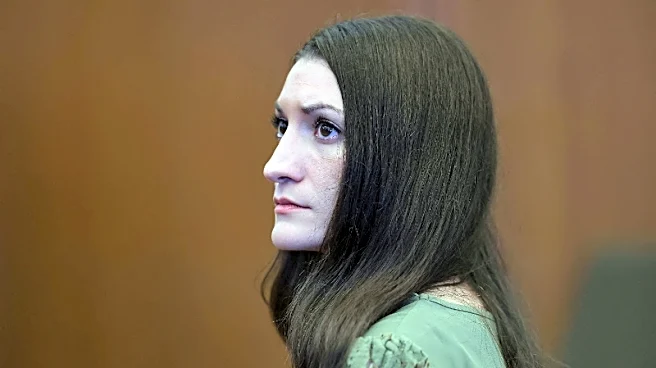
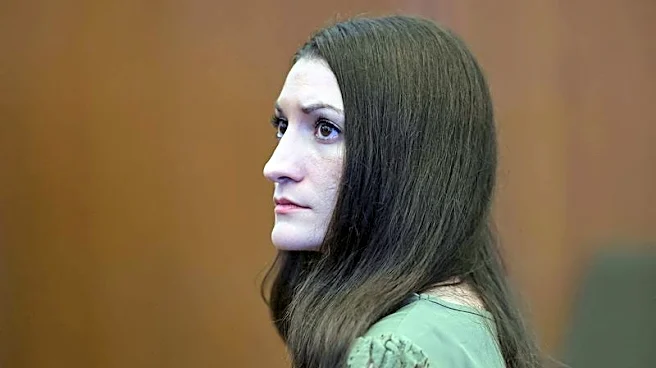
Tyler E. Brown IV, 47, pleaded not guilty to 43 charges in Middlesex Superior Court related to a shooting incident on Memorial Drive in May. The charges include six counts of armed assault to murder, unlawful possession of a firearm, and property damage.
Prosecutors allege that Brown fired over 70 rounds, injuring two individuals, and exchanged gunfire with a Massachusetts State Police trooper and an armed bystander. Brown was shot in his 'lower extremities' before being arrested. This court appearance marks his first in nearly two months, and he attended in a wheelchair, speaking minimally beyond acknowledging the judge and entering his plea. The motive behind the shooting remains unclear. A grand jury indicted Brown on August 25, escalating the case to Superior Court, where potential sentences are significantly higher than in District Court. Brown had been released from a psychiatric hospital and was on parole for a separate shooting in Boston just days before the Memorial Drive incident.
Why It's Important?
This case highlights significant issues within the U.S. justice system, particularly concerning repeat offenders and the management of individuals with a history of violence and mental health challenges. The fact that Tyler E. Brown IV was on parole for a previous shooting and had recently been released from a psychiatric hospital before this incident raises critical questions about the effectiveness of parole supervision, mental health support systems, and public safety protocols. The escalation of charges to Middlesex Superior Court underscores the severity of the alleged crimes and the potential for a lengthy sentence, reflecting society's demand for accountability in violent acts. Furthermore, the involvement of an armed bystander in exchanging gunfire with the suspect brings to light ongoing debates about civilian intervention in active shooting situations and gun control measures.
What's Next?
Tyler E. Brown IV has been ordered to remain in custody, with his next hearing scheduled for October 8. During this upcoming hearing, the unredacted indictments, which include the names of the shooting victims, are expected to be unsealed. The legal proceedings will continue in Middlesex Superior Court, where the prosecution will present its case based on the 43 charges, including armed assault to murder. The defense will likely prepare its strategy, potentially focusing on aspects related to Brown's mental state or the circumstances surrounding the shooting. The outcome of this trial could have significant implications for Brown, given his prior convictions and the 'habitual criminal' and 'armed career criminal' allegations. The case will also be closely watched for any further details regarding the motive behind the shooting and the broader implications for public safety and mental health support systems.
Beyond the Headlines
The Memorial Drive shooting case delves into complex societal issues beyond the immediate legal proceedings. The revelation that Tyler E. Brown IV, a repeat offender with a history of violence, was recently released from a psychiatric hospital and on parole before the incident, exposes potential systemic gaps in mental health care and criminal justice oversight. This situation prompts a deeper examination of how individuals with severe mental health conditions and violent tendencies are monitored and supported post-release. It also reignites discussions about the balance between individual liberties and public safety, particularly when dealing with individuals deemed high-risk. The case could influence policy debates on parole conditions, the integration of mental health services within the justice system, and the resources allocated to prevent recidivism among violent offenders. The opacity surrounding the motive further complicates understanding and addressing the root causes of such violent acts.