




What's Happening?
President Alexander Lukashenko of Belarus has ordered a comprehensive inspection of the country's armed forces, including their mobilization readiness. This directive aims to 'shake up' the army and test its capabilities under conditions that closely
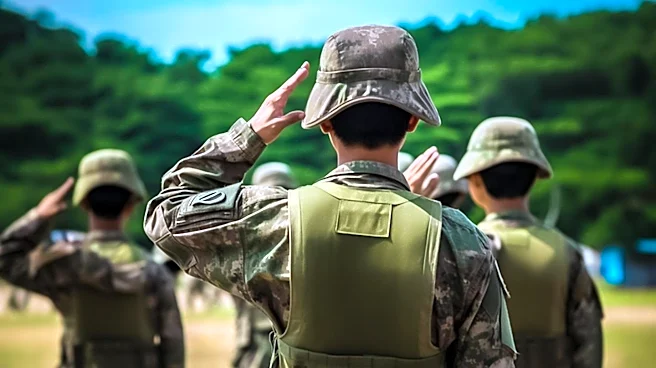
resemble real combat scenarios. The inspection is not merely a ceremonial review but focuses on assessing the actual readiness of various units to perform their designated tasks, particularly in the event of potential mobilization. Units that have already undergone inspection include an artillery brigade, tank and motorized rifle units, and the internal troops of the Ministry of Internal Affairs. Special attention is being given to communications troops and artillery. Lukashenko emphasized that these inspections are being conducted without staged activities, stressing the importance of genuine assessment to avoid casualties in actual combat, drawing lessons from recent military operations.
Why It's Important?
This large-scale military inspection in Belarus carries significant implications for regional stability and international relations. The emphasis on 'mobilization readiness' and 'real combat' conditions suggests a heightened state of alert or preparation within the Belarusian military. Given Belarus's close political and military ties with Russia, particularly in the context of ongoing regional conflicts, such an inspection could be perceived as a signal of potential future involvement or a strengthening of defensive capabilities. For the U.S. and its allies, this development could necessitate a re-evaluation of security postures in Eastern Europe, as any significant military buildup or increased readiness in Belarus directly impacts the broader geopolitical landscape. It also raises questions about the extent of Russian influence on Belarusian military policy and the potential for coordinated actions, affecting strategic planning and diplomatic efforts in the region.
What's Next?
Following the ongoing inspections, Belarus is likely to continue its military training and readiness exercises, potentially incorporating lessons learned from the current assessments. The focus on 'mobilization readiness' suggests that the Belarusian military may implement changes to its training protocols, equipment, or personnel deployment based on the inspection findings. International observers, including NATO and neighboring countries, will closely monitor Belarus's military activities for any signs of escalation or changes in its defense posture. Diplomatic channels may see increased activity as nations seek clarity on Belarus's intentions and the implications of its military readiness for regional security. The outcomes of these inspections could also influence Belarus's future military cooperation agreements and its role in broader security alliances.
Beyond the Headlines
The comprehensive military inspection ordered by President Lukashenko extends beyond immediate tactical readiness, touching upon deeper aspects of national sovereignty and strategic alignment. The explicit mention of 'lessons from the special military operation' indicates a direct influence of current geopolitical events on Belarus's defense strategy, potentially signaling a shift towards a more robust and combat-ready military doctrine. This move could also be interpreted as an effort by Lukashenko to consolidate power and project an image of strength and preparedness, both domestically and internationally. Furthermore, the inspections highlight the ongoing militarization trends in the region, where nations are increasingly focusing on self-defense and readiness in response to perceived threats. This could lead to a long-term reorientation of Belarus's military and defense industry, with potential implications for its economic priorities and technological development in the defense sector.