





What's Happening?
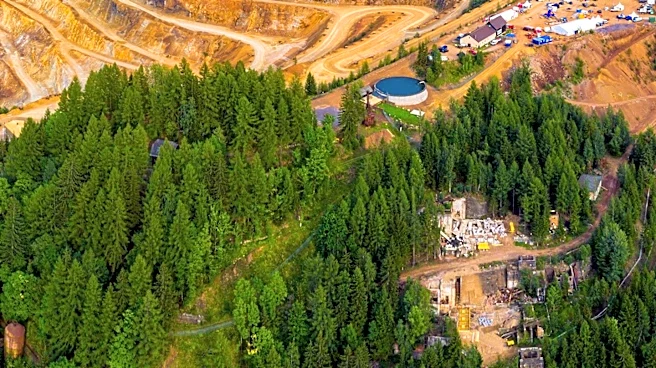
Critical Metals has received formal approval from the Government of Greenland for the mining plan and closure plan for its Tanbreez project. This approval extends until September 2050 and covers the extraction of 19 critical elements from the Killavaat
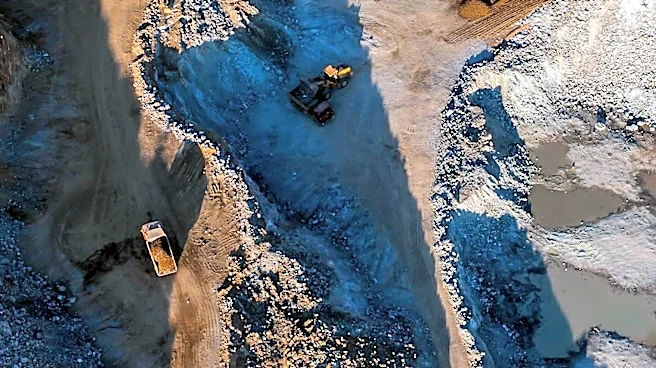
Alannguat site in southern Greenland. The decision builds upon an exploitation license granted in 2020 and allows the company to proceed with the construction of the mine, processing facilities, a port, and supporting infrastructure. Among the approved elements are heavy rare earths like terbium, dysprosium, and yttrium, as well as neodymium and praseodymium, which are vital for various advanced industries including electric vehicles and wind turbines. The closure plan outlines procedures for decommissioning and rehabilitation to ensure environmental compliance.
Why It's Important?
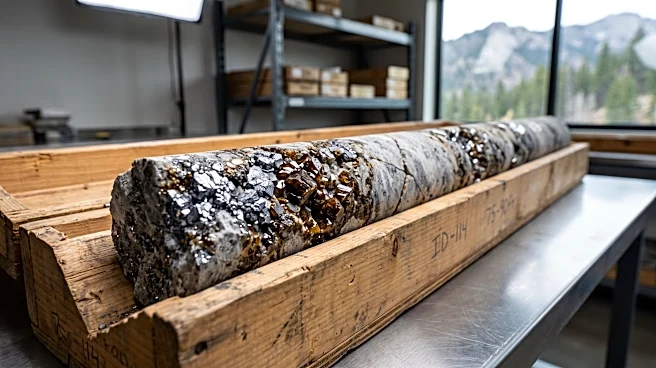
This approval is significant for the global supply chain of critical elements, particularly rare earths, which are essential for modern technologies and renewable energy. The Tanbreez project, being one of the world's largest heavy rare earth deposits, could reduce reliance on existing dominant suppliers, potentially diversifying the market and enhancing supply security for industries in the U.S. and other nations. For the U.S., securing access to these critical minerals is a strategic priority for national security and economic competitiveness, especially in sectors like defense, electronics, and green energy. The project's long-term approval through 2050 provides stability and a clear framework for development, which could attract further investment and foster technological advancements dependent on these materials.
What's Next?
Before construction can begin, Critical Metals must obtain additional operating permits under sections 120 and 121 of the Greenland Mineral Activities Act. These permits will address environmental controls, marine transport, health and safety, and procedures for the export and sale of minerals. The company has already approved a $30 million program to expedite the project's development. The focus will now shift to securing these final operational permits and commencing construction, which will involve detailed planning and adherence to stringent regulatory and environmental standards. The project's progress will be closely watched by international markets and governments interested in diversifying their critical mineral sources.
Beyond the Headlines
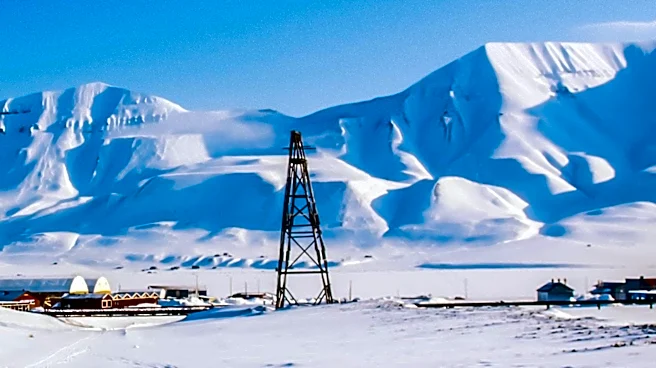
Beyond the immediate economic and supply chain implications, the Tanbreez project highlights the complex interplay between resource extraction, environmental stewardship, and geopolitical considerations. The development of such a significant rare earth deposit in Greenland could alter global power dynamics in critical mineral supply, potentially offering Western nations a more stable alternative to current sources. However, it also brings into focus the environmental responsibilities associated with large-scale mining and the need for robust closure plans. The project's success could serve as a model for responsible resource development in sensitive Arctic regions, balancing economic benefits with ecological preservation and local community engagement. It also underscores the growing strategic importance of the Arctic in global resource geopolitics.