






What's Happening?
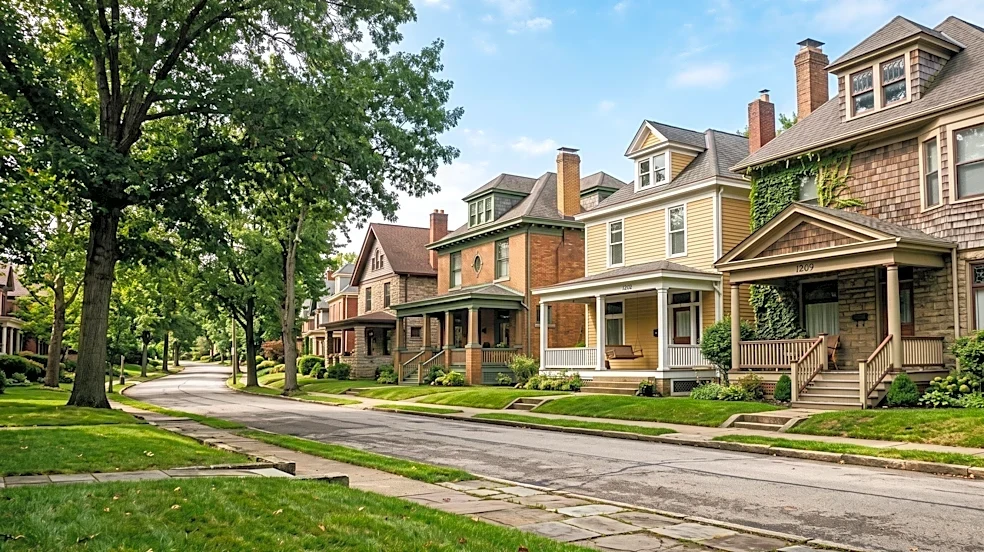
U.S. homeowners residing in historic districts must navigate stringent regulations and obtain specific approvals before replacing windows on their properties. Authority over window changes typically rests with local historic district or architectural
review commissions, which enforce design guidelines established under city or county preservation ordinances. The Secretary of the Interior’s Standards for Rehabilitation prioritize repair over replacement, meaning homeowners must thoroughly document the deterioration of existing windows to justify replacement. Approvals often require detailed window condition surveys, measurements, photos, and repair histories. Non-compliance or unauthorized window work can lead to fines, stop-work orders, and the loss of potential tax credits. State Historic Preservation Offices (SHPOs) and the National Park Service also play roles, particularly when projects seek state or federal rehabilitation tax credits. Homeowners frequently encounter permits such as the Certificate of Appropriateness (COA) for exterior changes visible from public rights-of-way.
Why It's Important?
These regulations are crucial for preserving the architectural integrity and historical character of designated districts across the U.S. The emphasis on repair over replacement ensures that original features, which contribute significantly to a building's historical value, are retained whenever possible. For homeowners, understanding and adhering to these guidelines is vital to avoid costly penalties and project delays. The process can be complex, requiring significant documentation and often professional consultation, impacting project timelines and budgets. The rules also influence the types of materials and designs that can be used, favoring wood sash with true divided lights and narrow muntins to maintain period-specific aesthetics. This regulatory framework safeguards the cultural heritage embedded in historic structures, benefiting communities by maintaining unique neighborhood identities and property values associated with historical preservation.
What's Next?
Homeowners planning window projects in historic districts should first consult with their local commission staff for pre-application guidance and thoroughly document existing window conditions. Preparing a comprehensive application, including a full window survey, measured sections, material samples, and a written conditions assessment, is critical for a smoother approval process. Submitting physical mock-ups of proposed window designs can also expedite review by allowing staff to visually assess compliance with guidelines. For energy efficiency upgrades, interior storm windows or retrofit insulating glazing are often favored as they preserve the historic sash. Failure to follow these steps can result in significant delays, financial penalties, and the requirement to reverse unauthorized work. Engaging with preservation professionals, such as architects or consultants, can help navigate the complexities and increase the likelihood of approval.
Beyond the Headlines
The strict regulations surrounding window replacement in historic districts highlight a broader tension between modern living needs and historical preservation. While homeowners seek energy efficiency and contemporary comforts, preservation commissions aim to maintain the authenticity of historic structures. This often leads to debates over material substitutions, such as vinyl or aluminum windows, which are generally discouraged in favor of wood. The process underscores the value society places on tangible heritage, even when it imposes practical constraints on property owners. It also fosters a specialized industry of craftspeople and consultants skilled in historic restoration. The long-term implications include sustained property values in historic areas, continued tourism, and a collective commitment to safeguarding architectural legacies for future generations, albeit sometimes at the expense of individual homeowner convenience or cost savings.