





What's Happening?
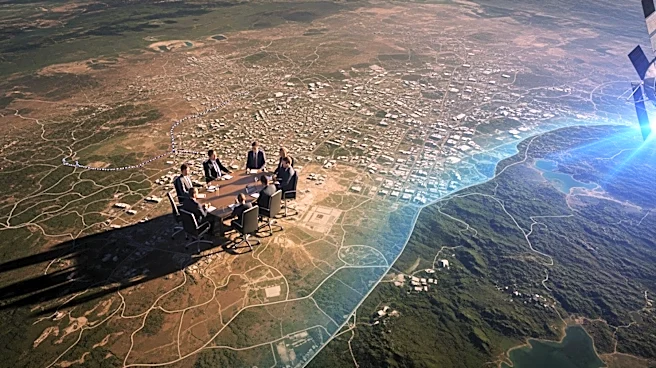
NASA's NISAR mission, a collaboration with the Indian Space Research Organisation, has provided new insights into the rapid subsidence of Mexico City. The satellite data, collected between October 2025 and January 2026, shows parts of the city sinking
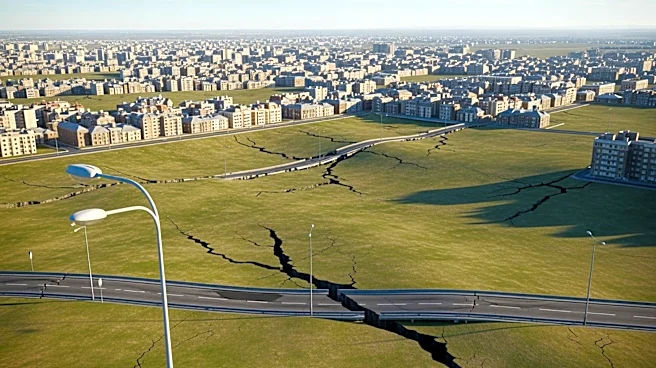
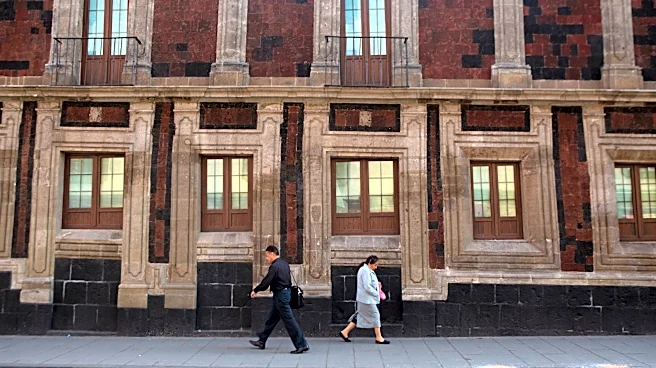
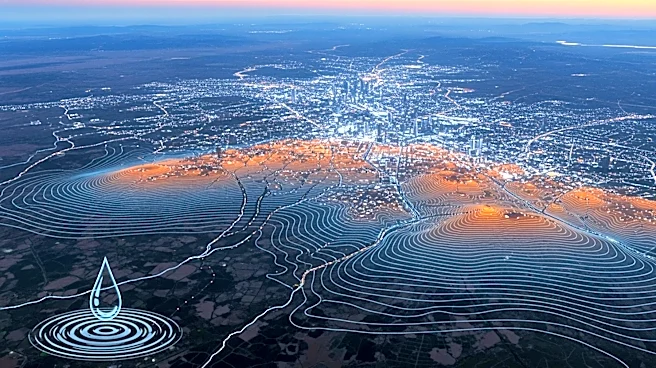
by more than half an inch per month. This subsidence is attributed to extensive groundwater pumping and urban development compressing the ancient lakebed beneath the city. The findings highlight the ongoing challenges faced by Mexico City, where infrastructure such as roads and the Metro rail system are increasingly at risk due to the ground movement.
Why It's Important?
The rapid sinking of Mexico City poses significant challenges for urban planning and infrastructure maintenance. As the city continues to sink, the risk of damage to critical infrastructure increases, potentially leading to costly repairs and disruptions. This situation underscores the need for sustainable water management practices and urban planning strategies that account for geological conditions. The data from the NISAR mission provides valuable information for policymakers and city planners to develop mitigation strategies and adapt to the changing landscape.